
🥬 My Story and Best Tips
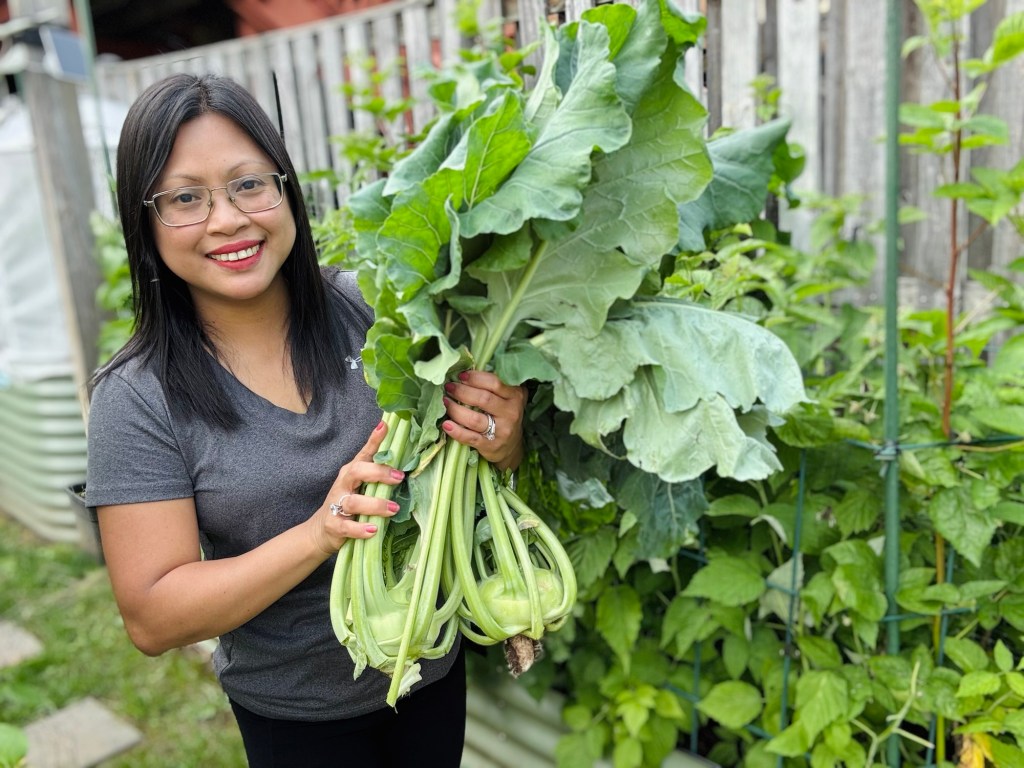
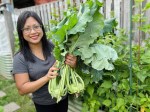
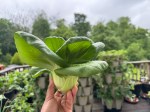
I’ll be honest—if I hadn’t started gardening, I probably never would’ve known kohlrabi existed. The first time I saw it was in a video from a content creator I followed. I remember pausing and thinking, What on earth is that thing? With its leafy greens shooting out of a swollen purple or green stem, kohlrabi looked like something from another planet.

But curiosity got the best of me—and I’m so glad it did. I gave it a try in my garden, and what I discovered was a sweet, crisp veggie with the crunch of an apple and a hint of broccoli. Since then, it’s become one of my absolute favorite cool-season crops.
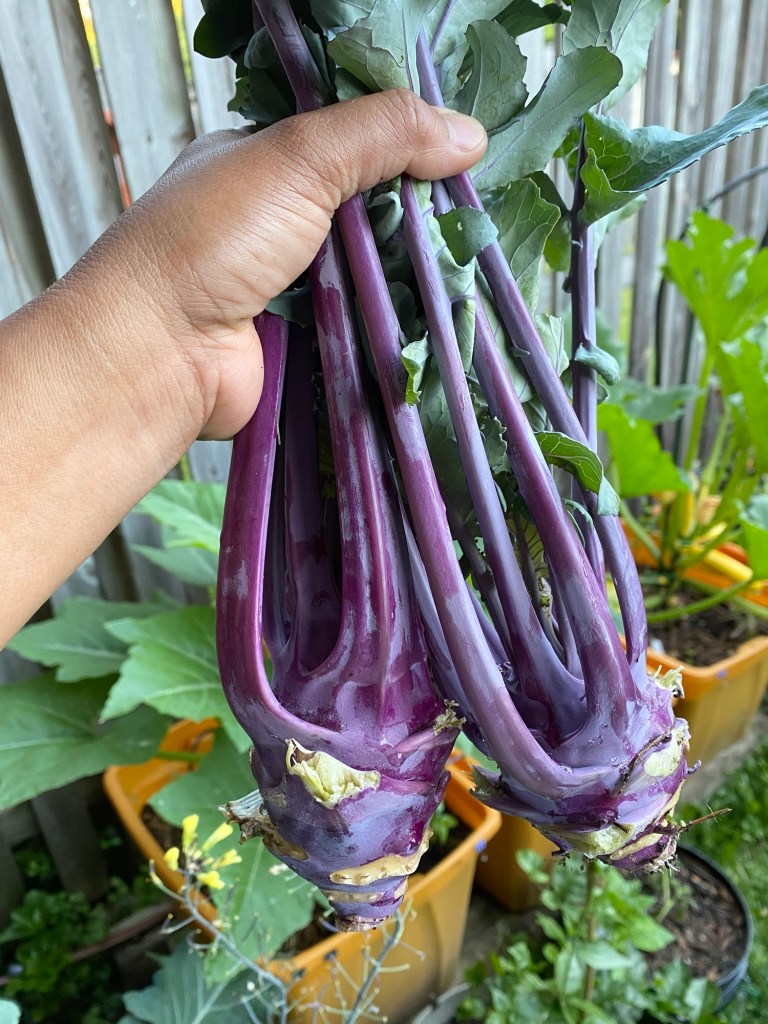
So if you’re curious about this quirky little vegetable and wondering if you can grow it in your small-space or raised bed garden—the answer is YES. And I’ll show you just how simple and rewarding it can be.
🌱 Why Grow Kohlrabi?
Besides being fun to grow and even more fun to harvest, kohlrabi is:
- Fast-growing (ready in 45–60 days)
- Cold-tolerant, making it great for early spring and fall
- Edible from top to bottom—the leaves are like collards, and the bulb is crisp and sweet
- A conversation starter! Seriously—people will ask what you’re growing
⏰ When to Plant Kohlrabi
Kohlrabi thrives in cool weather, so you can plant it:
- In early spring, about 4–6 weeks before your last frost date
- In late summer, for a fall harvest before your first frost
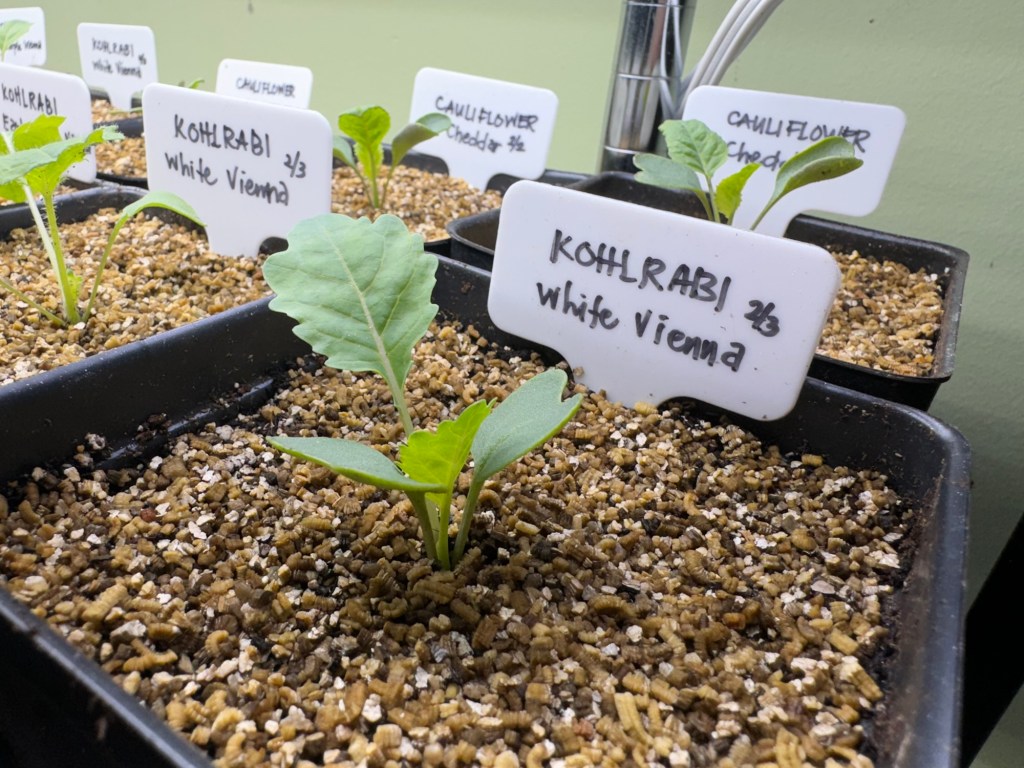
Here in Maryland (Zone 7), I start mine indoors in February for spring planting and sow again in late August for fall.
☀️ Sunlight and Soil Needs
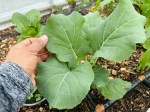
Kohlrabi loves the sun. Aim for at least 6 hours of direct sunlight per day. Less than that, and you might end up with stunted growth (I’ve made that mistake before!). In one of my beds, some of my plants didn’t get enough light and stayed small while their neighbors shaded them even more.
Make sure you’re planting in loose, well-draining soil, rich in compost. I refresh my raised beds with compost before planting and sprinkle a light layer of balanced organic fertilizer—not too heavy in nitrogen, or you’ll get a ton of leaves and no bulb.
📏 Spacing and Transplanting
Give each seedling about 12 to 24 inches of space—especially if you want them to size up nicely. You can still grow quite a few even in a small raised bed.
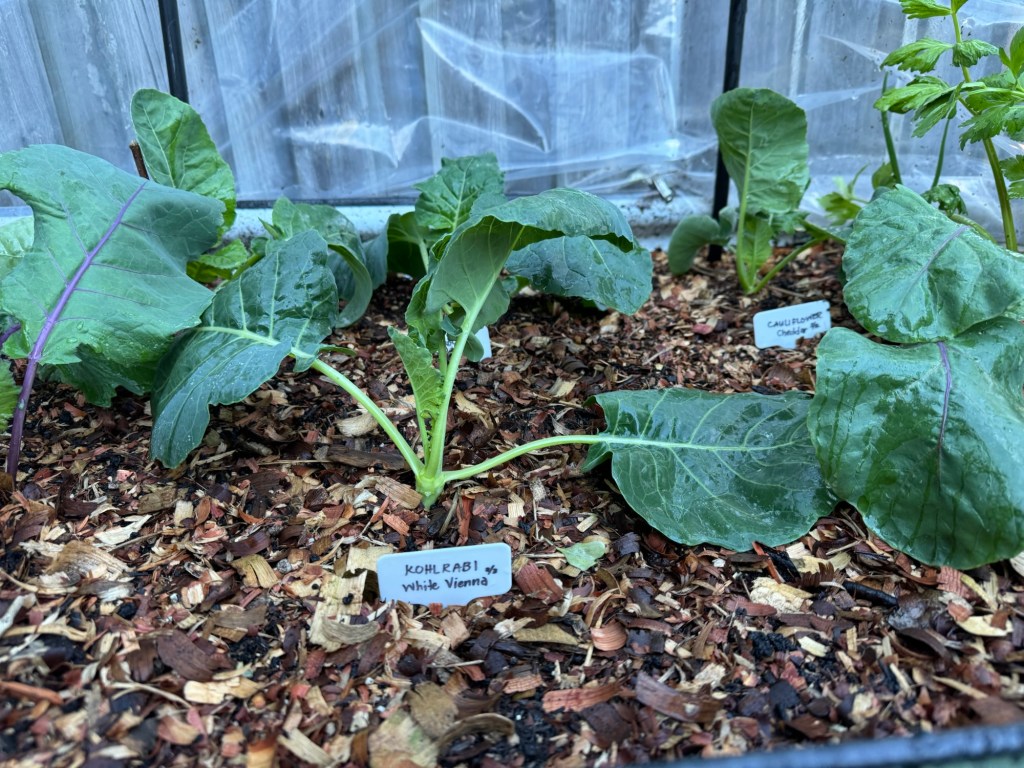
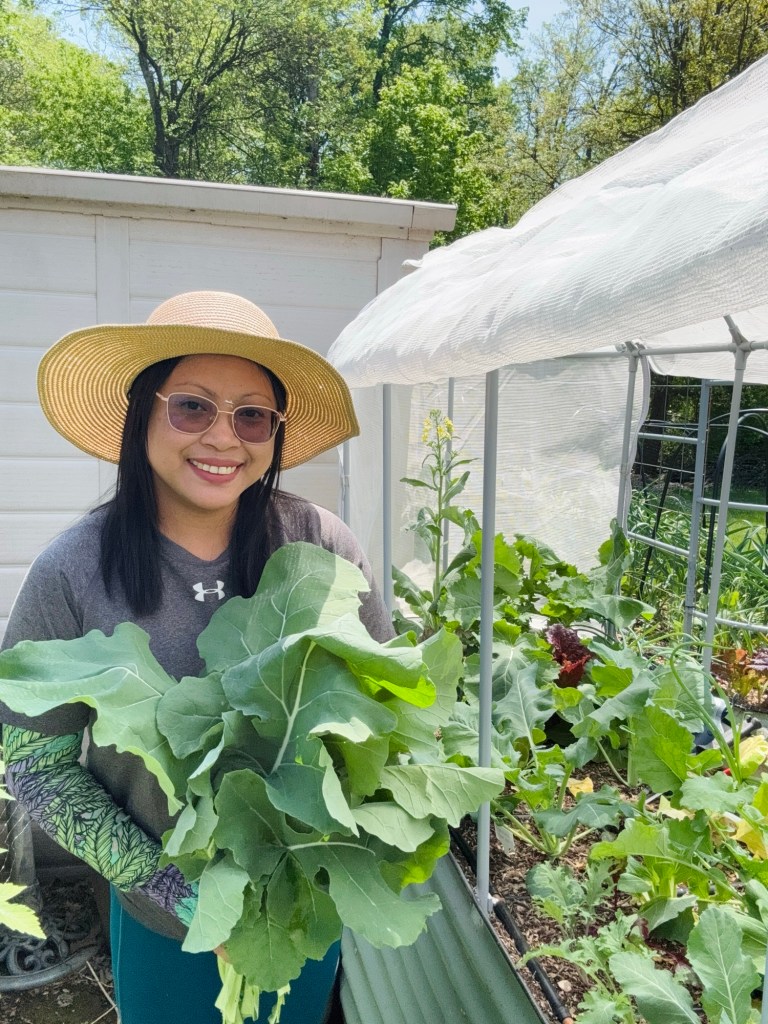
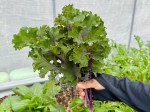
In one of my 2.5×9 beds, I could have grown up to 16 kohlrabi, but I mixed in other crops and only planted 6. I try to be realistic about what we’ll eat. And when a few of them bolted due to unexpected heat, I didn’t panic—I just harvested the leaves and cooked them like kale. Nothing goes to waste in this garden.
💦 Watering and Mulching
Consistent moisture is key. Kohlrabi likes the soil to be evenly damp, but not soggy. To help with that, I always mulch around the base of the plants.
One of my favorite mulching tricks? I use Cedar pet bedding from my local farm supply store—just wood shavings repurposed for the garden! You can also use straw or shredded leaves, both great natural options that help lock in moisture and reduce weeds.
🐛 Dealing with Pests
Like many brassicas, kohlrabi can attract:
- Aphids
- Slugs
- Flee Bettlles
- Whiteflies
- And worst of all—cabbage worms
I cover my kohlrabi plants with fine insect netting or use a cover system I got from Vego Garden. It’s hands down the most effective method I’ve used to keep cabbage moths away.
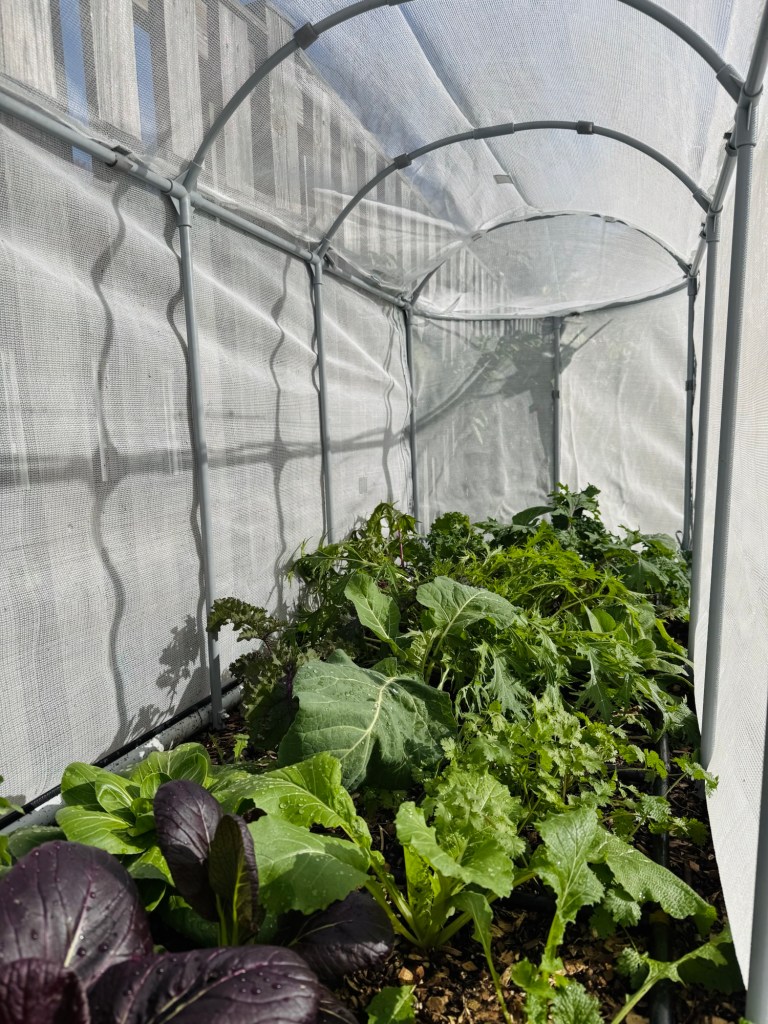
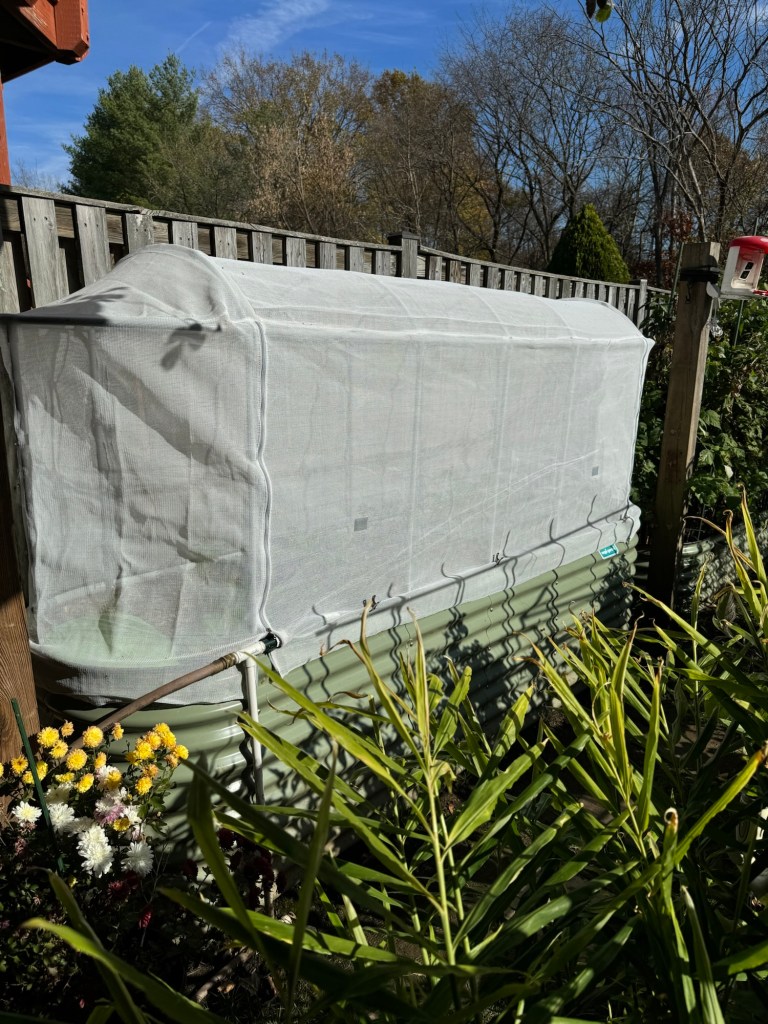
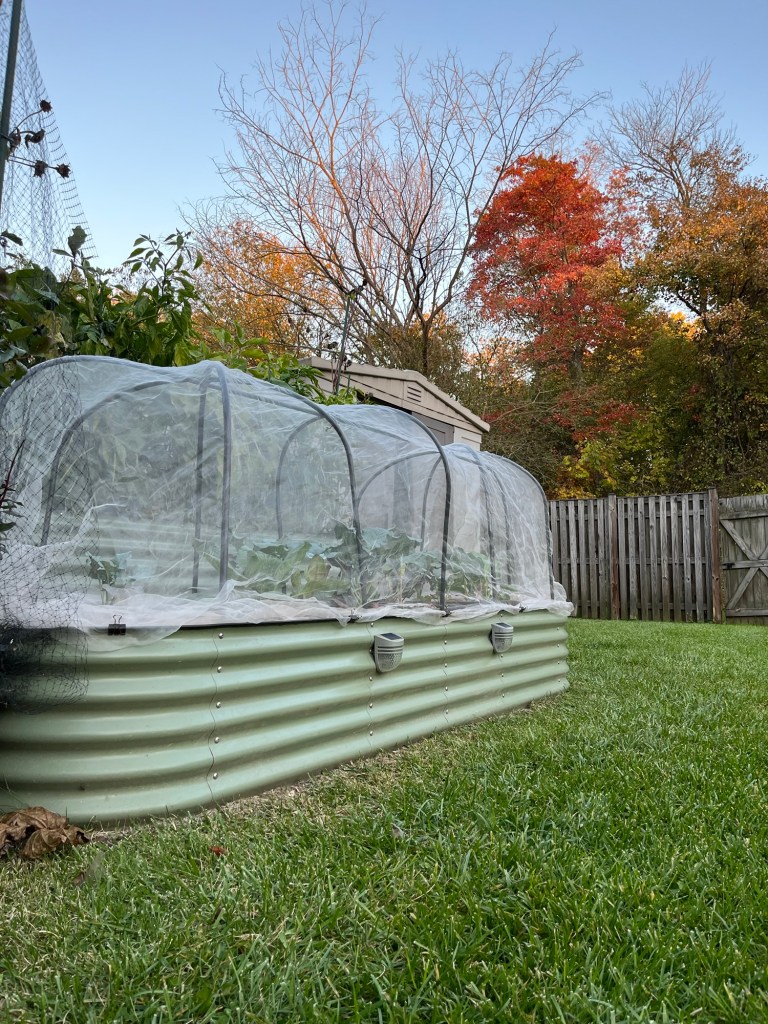
If you’re not using a cover, check the leaves regularly for eggs and tiny green caterpillars. You can also spray BT (Bacillus thuringiensis)—just remember to reapply after rain. Removing yellow or dying leaves also helps keep pests at bay.
✂️ When and How to Harvest
Depending on the variety, you’ll want to harvest kohlrabi when the bulb reaches 3-4 inches in diameter or about the size of a tennis ball. If you leave it too long, it can get woody. Use a sharp knife or garden snips to cut the stem at the base, just above the soil line.
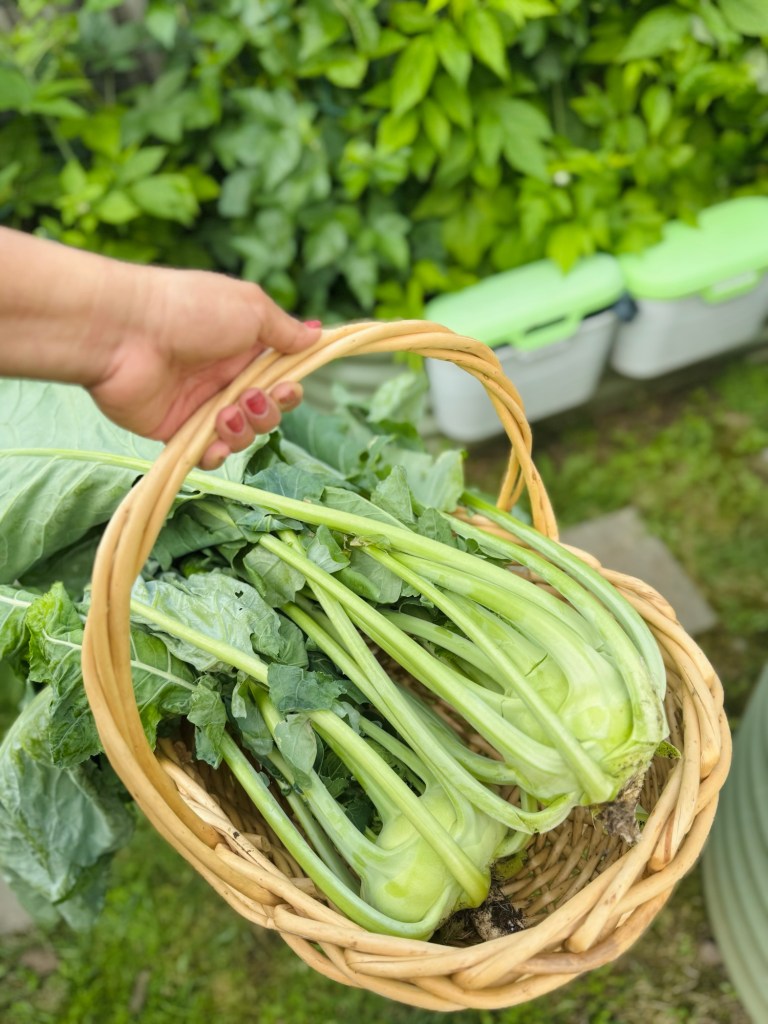
And don’t toss those leaves! They’re delicious sautéed or added to soups and stir-fries.
🍽️ How I Use Kohlrabi
The bulb is great raw in slaws, roasted, or even spiralized into noodles. One of my favorite ways to use it? Toss it into pansit—it adds a fresh crunch and soaks up all the flavor of the dish. The leaves are a bonus—I use them like kale or collards, and they’re packed with nutrients.
🌼 Final Thoughts
Kohlrabi might look strange at first, but once you grow it, it’ll quickly become one of your favorites. It’s low-maintenance, fast-growing, and absolutely perfect for raised beds or small gardens.
If you’re a beginner, don’t let the shape fool you—this veggie is much easier to grow than it looks. And if you’ve already grown it before, maybe this is the year to try a new variety or grow it for fall!
💌 Let’s Grow Together!
Have you ever tried growing kohlrabi? What’s your favorite way to eat it?
👉 I’d love to hear from you in the comments below!






 Gingerfoot Garden
Leave a comment