
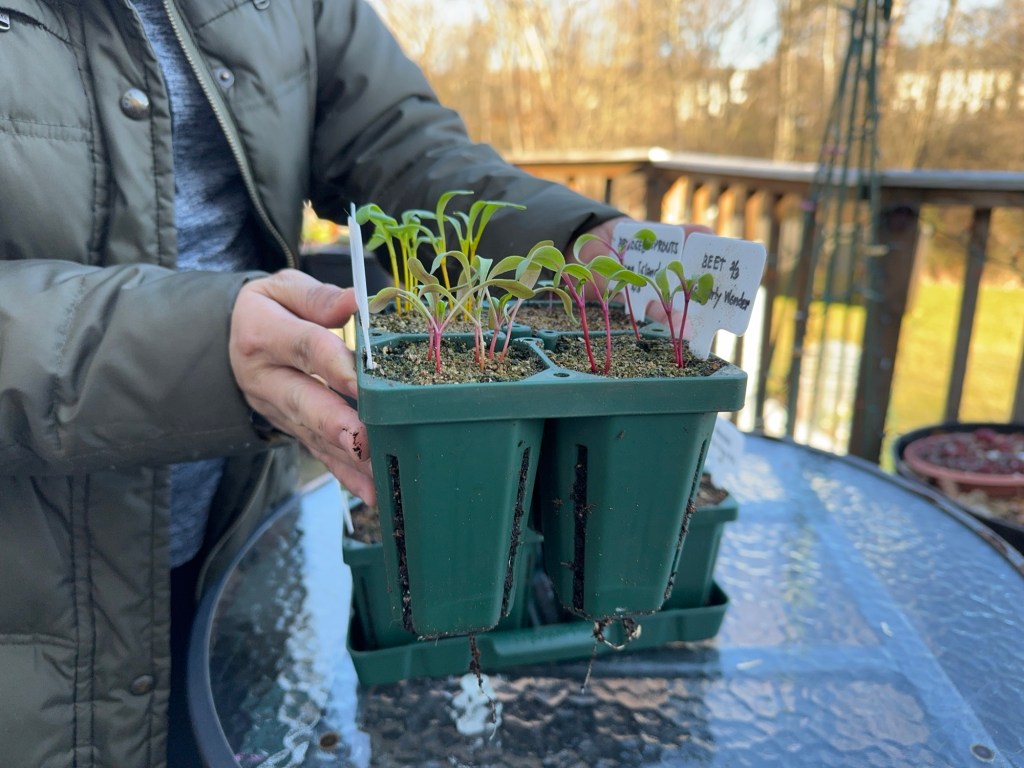
February might feel like a quiet month in the garden, but for those eager to start planting, it’s the perfect time to grow cold-hardy vegetables! While the ground may still be chilly in many regions, plenty of resilient crops thrive in the cool temperatures of late winter and early spring.
If you’re in USDA zones 7 and above, you can direct sow some of these cold-hardy vegetables or start seeds indoors. In colder zones, starting seeds indoors or using cold frames, row covers, or low tunnels can give you a head start on the season.
Here are 10 cold-hardy vegetables you can plant in February to get your garden growing early!
1. Broccoli 🌿
Best for: Transplanting seedlings into the garden or starting seeds indoors.
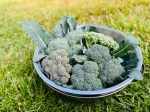
Broccoli is a superstar cool-weather crop that grows best when temperatures are between 45–75°F. Since it takes around 60–90 days to mature, planting in February ensures a spring harvest before the summer heat arrives.

Tips for Success:
• Start seeds indoors in trays 6–8 weeks before your last frost date.
• Transplant seedlings outside when they are about 4–6 inches tall and the ground is workable.
• Use floating row covers to protect young plants from frost.
📢 Try Broccoli Seeds from MIgardener!
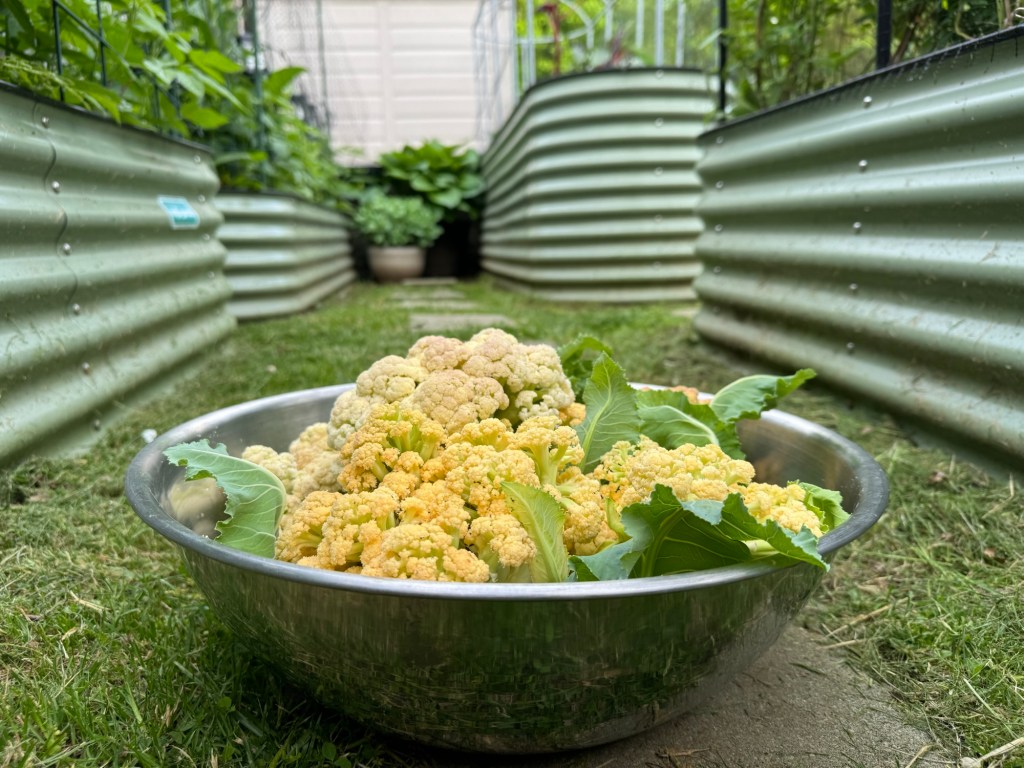
2. Cauliflower 🥦
Best for: Starting seeds indoors or transplanting.
Like broccoli, cauliflower thrives in cool weather and dislikes summer heat. It requires a long growing season and does best when transplanted in early spring.
Tips for Success:
• Start indoors 6–8 weeks before your last frost date.
• Harden off seedlings before transplanting them outside.
• Keep the soil evenly moist to prevent stress and bolting.
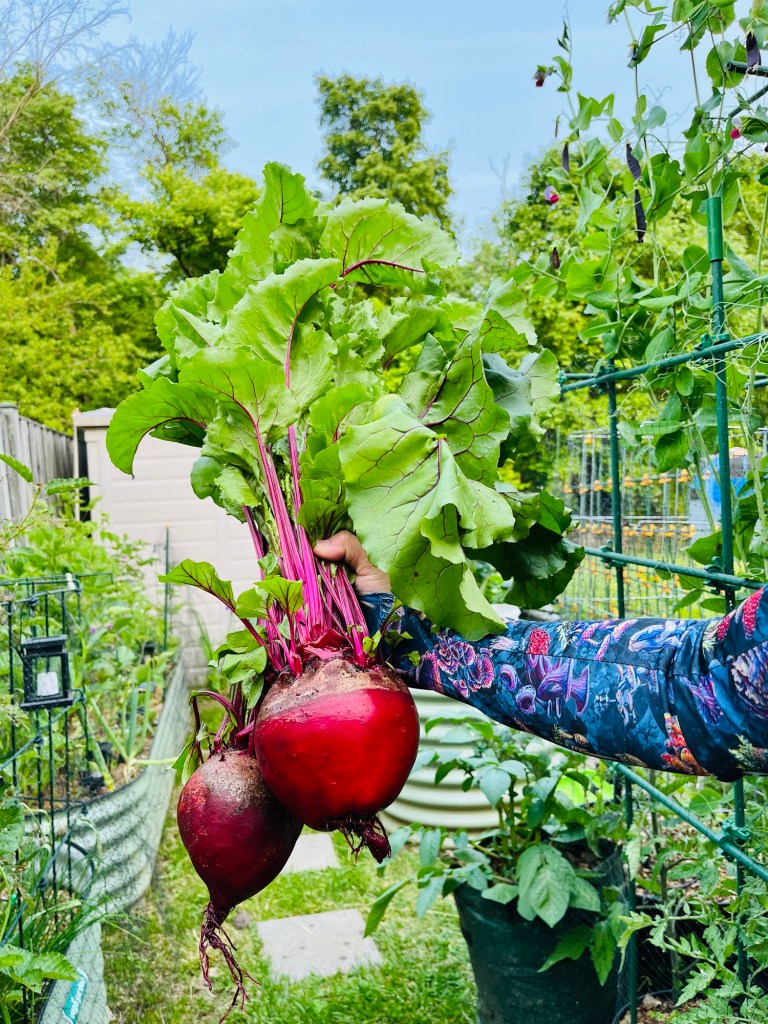
3. Beets ❤️
Best for: Direct sowing.
Beets are one of the easiest root crops to grow in cool weather. Their seeds germinate well in chilly soil, and they grow quickly—often ready to harvest in 50–60 days.
Tips for Success:
• Direct sow seeds 2–3 weeks before your last frost in well-draining soil.
• Thin seedlings to 3–4 inches apart for good root development.
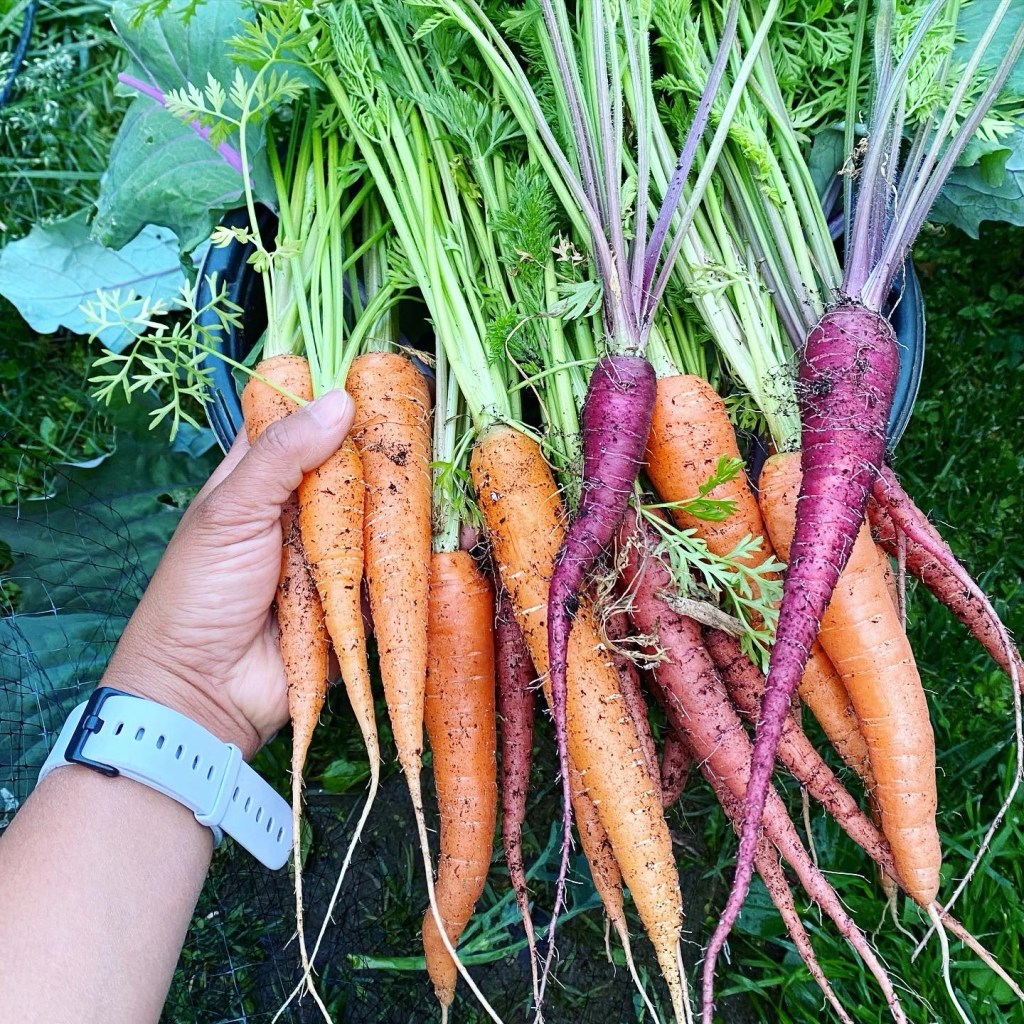
4. Carrots 🥕
Best for: Direct sowing.
Carrots love cool weather, and February is the perfect time to start them in most regions. They take a little longer to germinate in cold soil, but once they sprout, they grow steadily.
Tips for Success:
• Direct sow seeds as soon as the soil is workable (above 40°F).
• Keep the soil moist but not waterlogged—carrot seeds dry out easily.
• Thin seedlings to 2 inches apart to prevent stunted roots.
5. Spinach 🌱
Best for: Direct sowing or transplanting.
Spinach is one of the hardiest greens, surviving temperatures as low as 20°F. It’s packed with nutrients and grows quickly, making it an excellent choice for early spring planting.
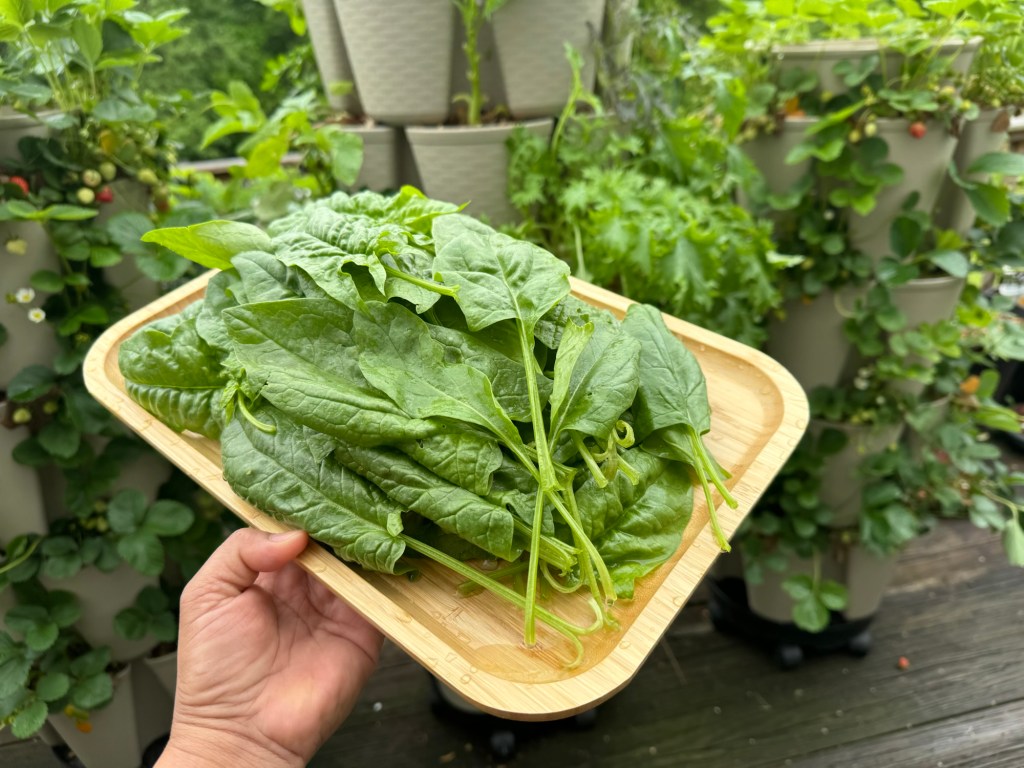
Tips for Success:
• Direct sow seeds as soon as the ground is thawed.
• If you have a cold frame or low tunnel, spinach can grow all winter long!
• Harvest outer leaves first for continuous production.
6. Kale 🥬
Best for: Direct sowing or transplanting.
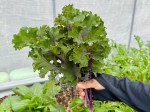
Kale is one of the most cold-tolerant vegetables, becoming even sweeter after a light frost! It grows quickly and can be harvested continuously throughout spring.
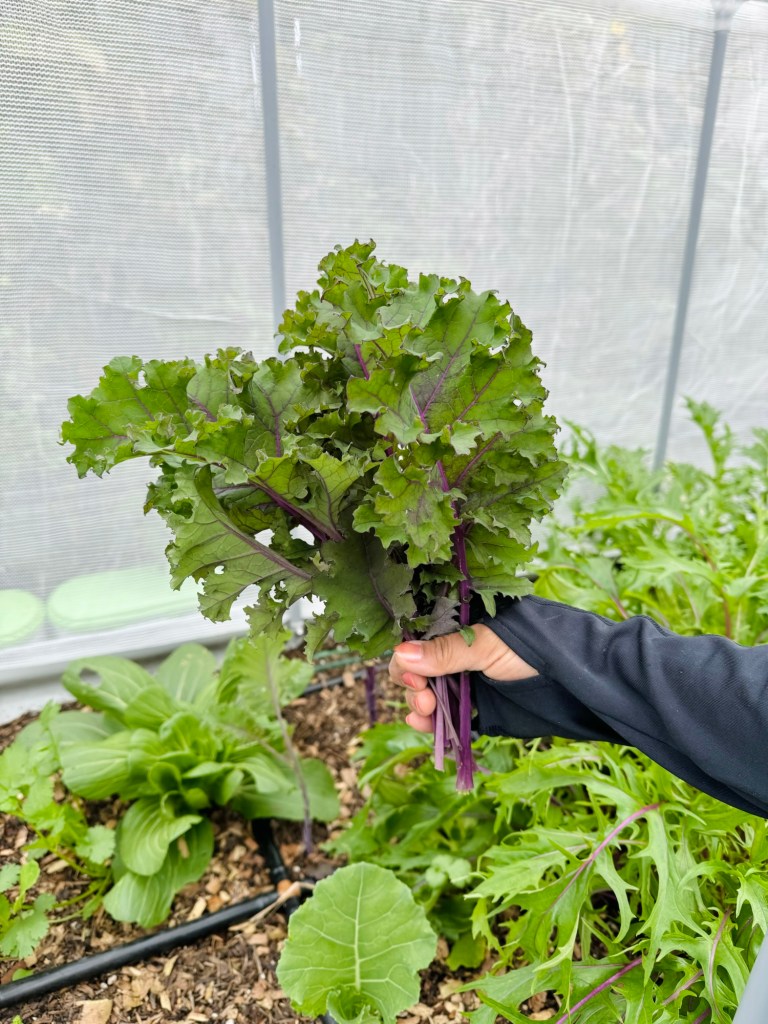
Tips for Success:
• Start seeds indoors or outdoors in February.
• Space plants 12–18 inches apart for full, leafy growth.
• Mulch around the base to protect roots from frost and retain moisture.
7. Collard Greens 🌿
Best for: Direct sowing or transplanting.
Collards are another frost-hardy green, similar to kale but with larger, sturdier leaves. They thrive in cooler temperatures and can be grown for a spring or fall harvest.
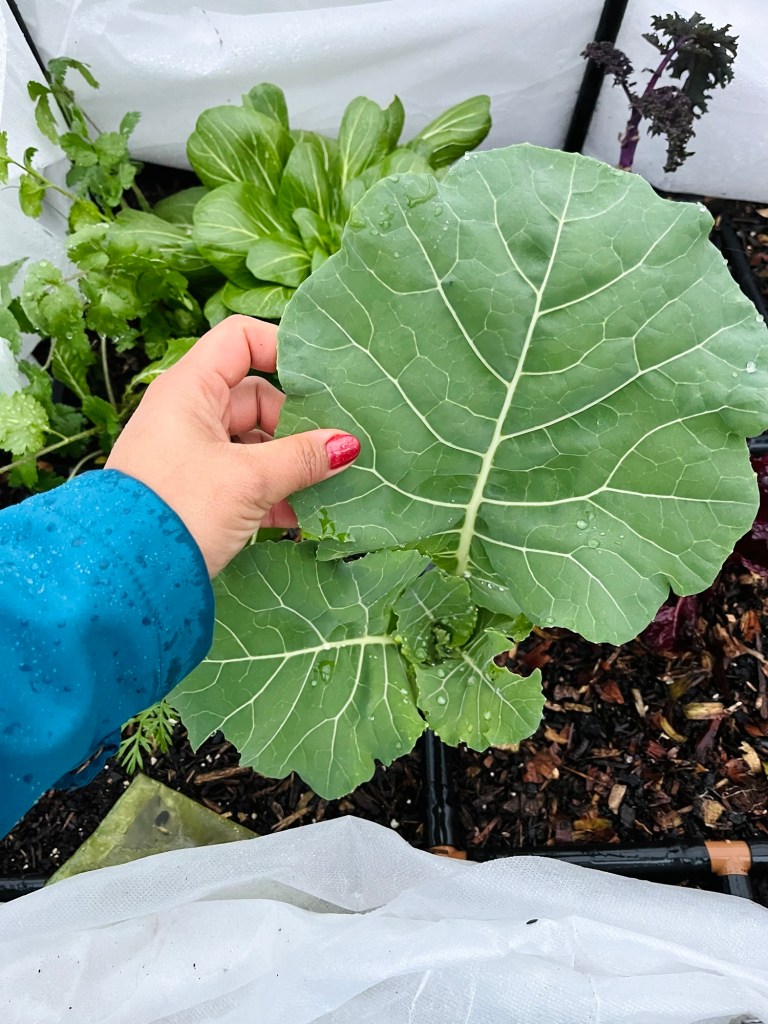
Tips for Success:
• Start seeds indoors or direct sow in February.
• Give plants plenty of space—about 18 inches apart.
• Harvest outer leaves first to encourage continued growth.
8. Celery 🌿
Best for: Starting indoors.
Celery has a long growing season (up to 120 days), so starting seeds in February gives you a head start. It prefers cool temperatures but doesn’t tolerate hard frosts well.
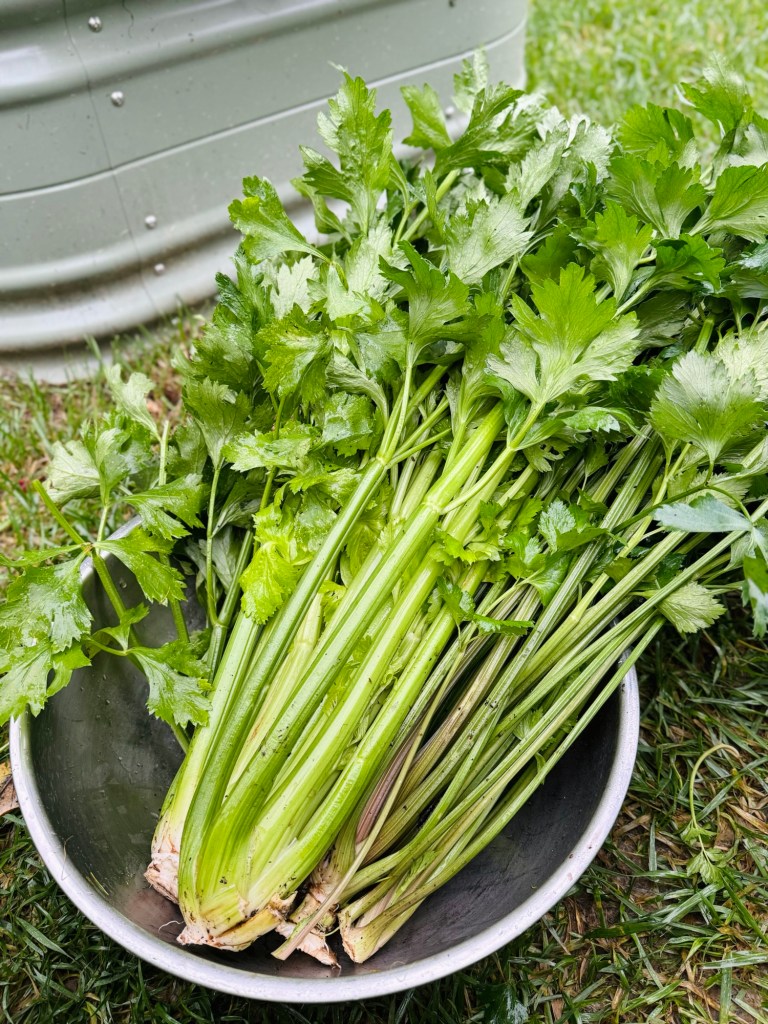
Tips for Success:
• Start seeds indoors 10–12 weeks before your last frost.
• Transplant seedlings when they are about 6 inches tall.
• Keep the soil consistently moist—celery is a thirsty plant!
9. Lettuce 🥗
Best for: Direct sowing or transplanting.
Lettuce is one of the easiest vegetables to grow in cool weather, making it perfect for February planting. It grows quickly, allowing for multiple harvests before the summer heat arrives.
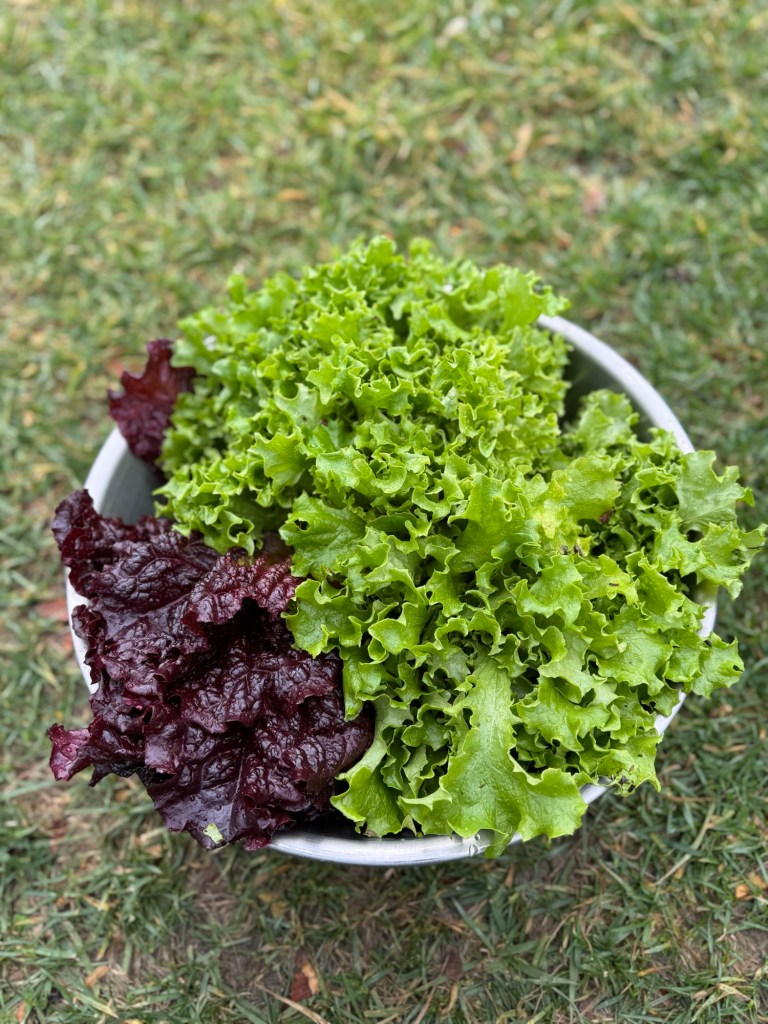
Tips for Success:
• Direct sow every two weeks for a continuous harvest.
• Use cold frames or row covers to extend the season.
• Harvest outer leaves first to keep plants producing longer.
10. Peas 🌱
Best for: Direct sowing.
Peas are one of the best crops for February planting because they thrive in cool temperatures and don’t mind light frosts. They are fast-growing, making them a perfect early spring vegetable!
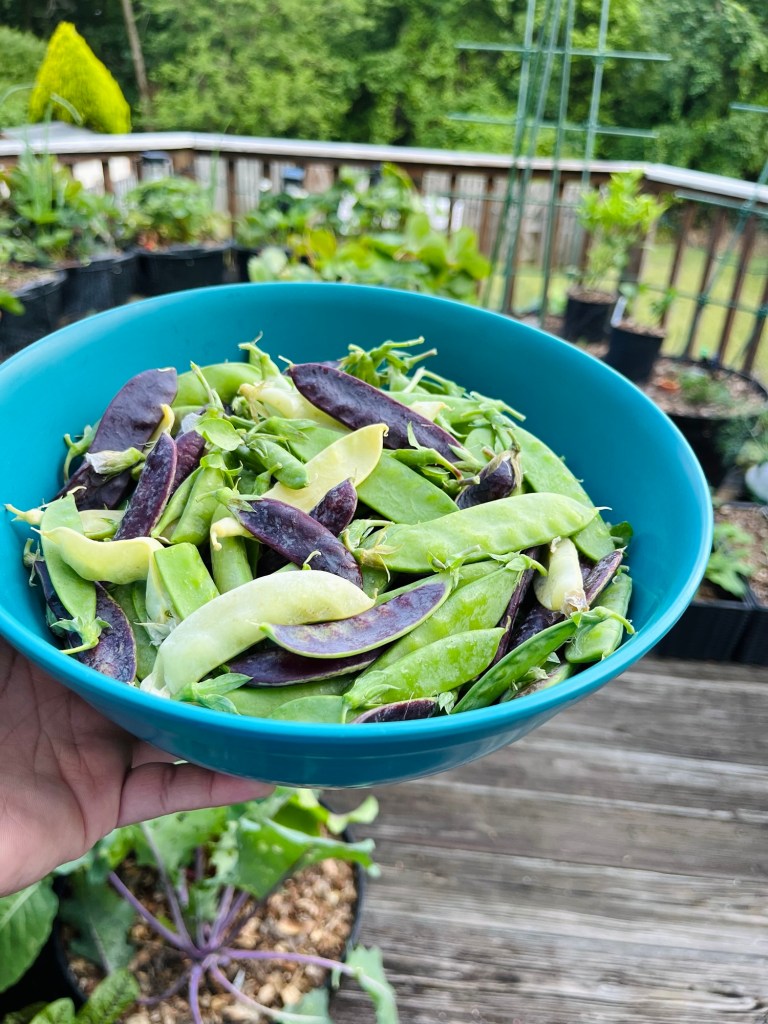
Tips for Success:
• Direct sow seeds as soon as the soil can be worked.
• Provide a trellis or support for climbing varieties.
• Harvest peas frequently to encourage continuous production.
Final Thoughts
Starting your garden in February might seem early, but with these cold-hardy vegetables, you’ll have a head start on a productive spring!
• If you live in a warmer zone (7+), you can direct sow many of these crops outdoors.
• If you live in a colder zone (6 and below), consider starting seeds indoors or using row covers and cold frames to protect young plants.
Are you excited to start planting? Make sure to grab high-quality, heirloom seeds from MIgardener—they have an amazing selection of cold-hardy vegetables perfect for February planting!
👉 What are you planting this February? Let me know in the comments!
Happy gardening! 🌱








 Gingerfoot Garden
Leave a comment