
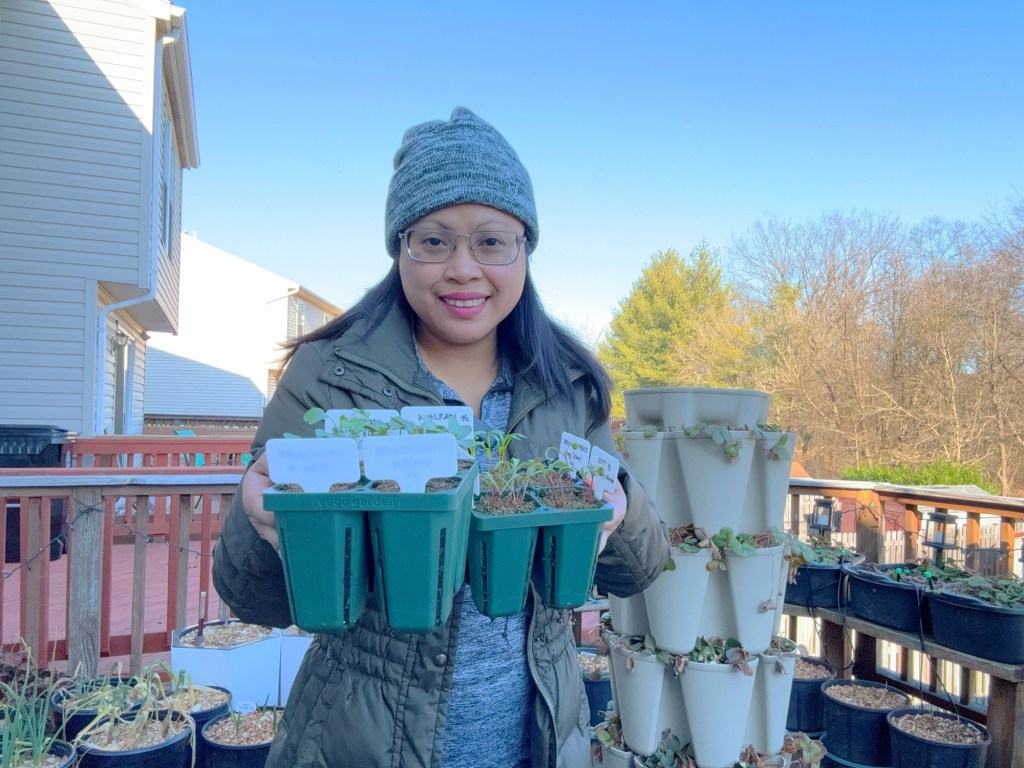
As winter starts to loosen its grip, February is the perfect time to prepare your garden for a productive and bountiful spring. While it may still be too cold to plant outside in many regions, there are plenty of essential tasks to get ahead of the growing season. From seed starting to pruning and soil preparation, tackling these early gardening chores will set you up for success.
Let’s dig into seven key gardening tasks you should tackle in February!
1. Start Seeds Indoors for an Early Harvest
One of the best things you can do in February is start seeds indoors. This gives your plants a head start, ensuring they are strong and ready for transplanting when the weather warms up.
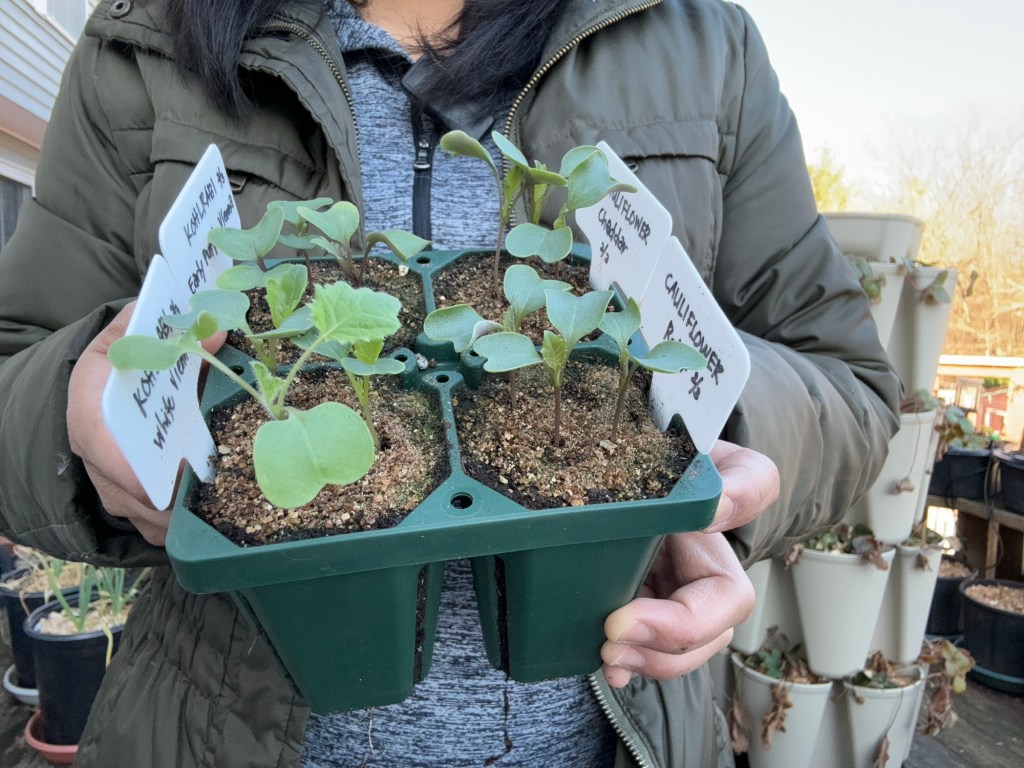
What to Start:
• Cool-season crops to seed start indoors: Broccoli, cauliflower, kohlrabi, kale, collard, lettuce, bok Choi and spinach
• Cool-season crops to direct sow: beets, peas and carrots
• Warm-season crops (in later February for a head start): peppers, and eggplants
• Herbs: Basil, parsley, cilantro, onions and chives
How to Start Seeds:
• Use seed trays or small containers with drainage holes.
• Fill them with seed-starting mix (lighter than regular potting soil).
• Plant seeds according to packet instructions and keep them moist.
• Place trays in a warm, well-lit spot—using grow lights if necessary.
• Once the seedlings sprout, thin them out so the strongest ones remain.
By starting seeds now, you’ll have robust plants ready to thrive in your garden come spring!
2. Prune Trees, Shrubs, and Perennials
Late winter is ideal for pruning many trees and shrubs since plants are still dormant, and pruning wounds heal quickly before spring growth begins.

What to Prune:
• Fruit trees: Apples, pears, and stone fruits (peaches, cherries, plums)
• Berry bushes: Blueberries, raspberries, and blackberries
• Ornamental shrubs: Roses, hydrangeas, and butterfly bushes
• Perennials: Trim back dead growth from last season
Pruning Tips:
• Remove dead, diseased, or crossing branches to promote airflow.
• Cut back overgrown shrubs to encourage new growth.
• Shape fruit trees to allow sunlight penetration for better fruiting.
Proper pruning in February leads to healthier, more productive plants in spring!
3. Prepare Your Soil for Planting
Soil is the foundation of a thriving garden, and now is the time to start preparing it for planting. Even if the ground is frozen, you can still take steps to improve soil health.
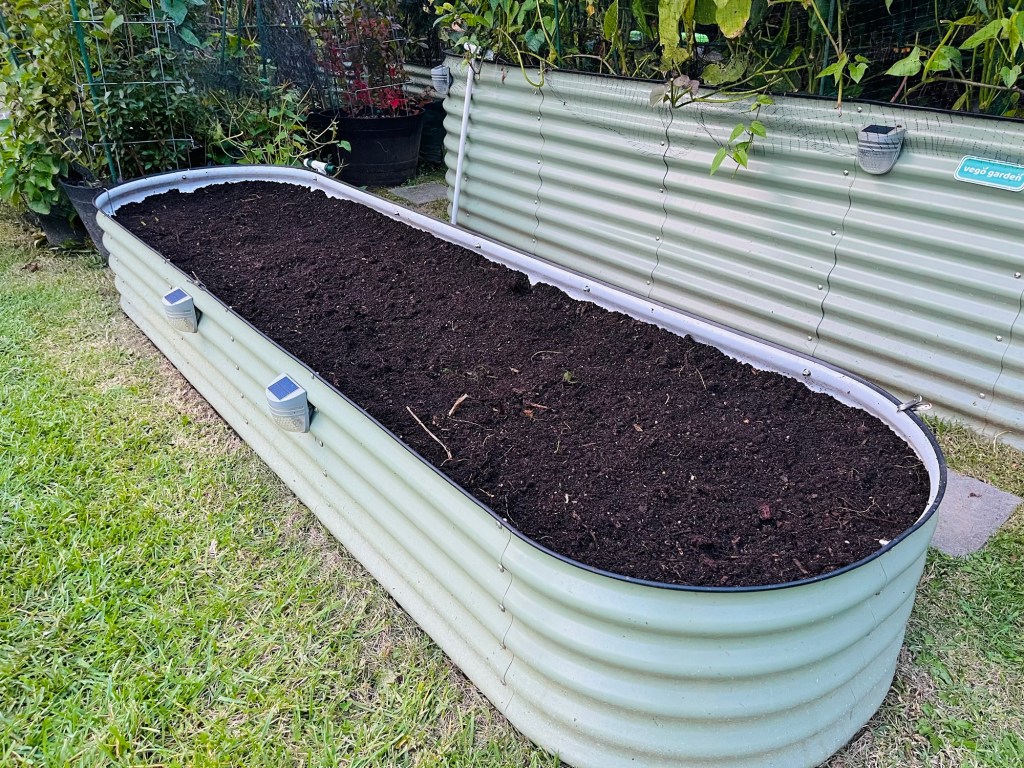
Soil Prep Steps:
• Clear out old debris: Remove dead plant material and weeds from last season.
• Amend with compost: Spread compost or aged manure over your beds for nutrient enrichment.
• Test your soil: Use a soil test kit to check pH and nutrient levels—add amendments as needed.
• Plan your garden layout: Rotate crops and avoid planting the same crops in the same spot as last year to prevent disease.
Taking time to nourish your soil now will boost plant health and yields when spring arrives!
4. Clean and Sharpen Your Gardening Tools
A little tool maintenance in February can save you time and frustration later when gardening kicks into high gear.
Steps to Maintain Tools:
• Clean tools thoroughly: Scrub off dirt and sap with a wire brush or soapy water.
• Sharpen pruners and shears: Use a sharpening stone or file to keep blades sharp.
• Oil metal parts: Prevent rust by applying a light coating of oil.
• Check handles: Replace broken or splintered handles for safe use.
Well-maintained tools make gardening easier and more efficient!
5. Order Seeds, Bulbs, and Supplies
If you haven’t already, order your seeds and supplies now before popular varieties sell out!
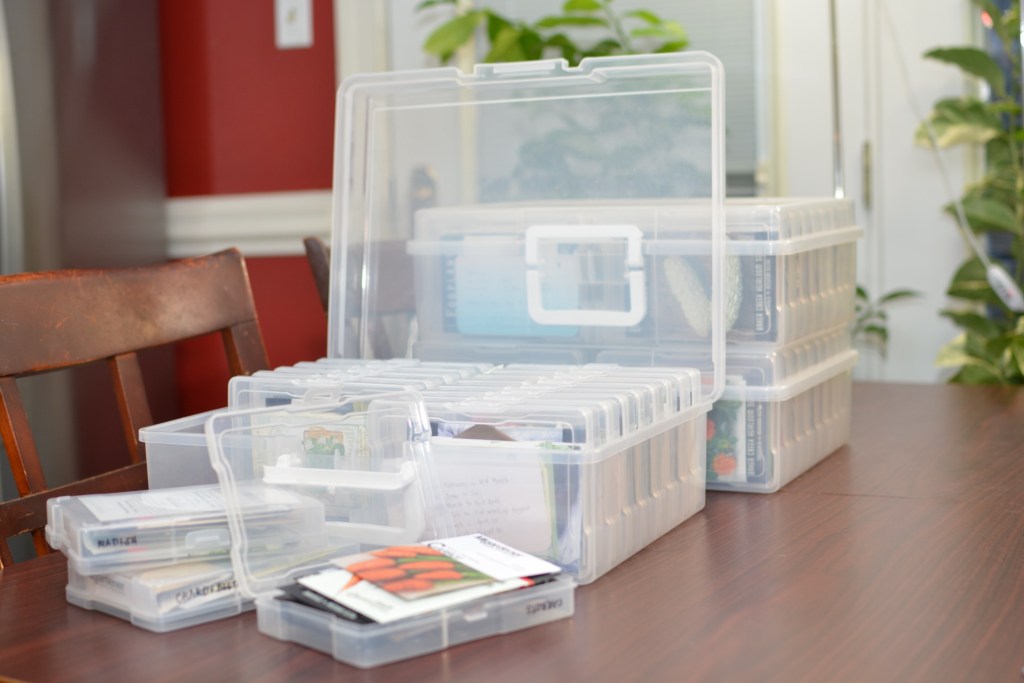
What to Order:
• Vegetable seeds: Tomatoes, peppers, beans, squash, and greens
• Herb seeds: Basil, oregano, thyme, dill
• Flower seeds & bulbs: Sunflowers, marigolds, zinnias, and onion
• Soil amendments: Compost, mulch, fertilizer
• Plant supports: Trellises, stakes, and cages
Planning ahead ensures you have everything ready for planting when the weather warms up!
6. Start or Maintain Your Compost
February is a great time to start a compost pile or refresh an existing one to ensure nutrient-rich soil for spring planting.
Benefits of Composting:
• Reduces waste by recycling food scraps and yard debris.
• Improves soil structure, helping retain moisture and nutrients.
• Feeds plants naturally, reducing the need for synthetic fertilizers.
Composting Tips:
• Balance greens and browns: Add equal parts green materials (fruit/vegetable scraps, coffee grounds, tea bags, spoiled or excess food) and brown materials (leaves, shredded paper).
• Turn the pile every few weeks to speed up decomposition.
• Keep it moist but not soggy—like a wrung-out sponge.
• Chop or shred materials for faster breakdown.
By starting or maintaining compost now, you’ll have rich, nutrient-dense compost ready for your spring garden!
7. Plan Your Garden and Start a Gardening Journal
A little planning now makes for a smoother, more productive season later!
Steps to Plan Your Garden:
• Sketch out your garden layout to maximize space.
• Rotate crops to prevent pests and diseases.
• Choose companion plants that help each other thrive.
• Set gardening goals—like growing more food, trying new plants, or improving soil health.
Starting a gardening journal is also a great habit! Use it to track what works, note planting dates, record harvests, and plan improvements for next year.
By tackling these seven gardening tasks in February, you’ll set yourself up for a thriving, productive spring garden.
What’s on your February gardening to-do list? Let me know in the comments!
Happy Gardening,
Lannie @Gingerfoot Garden












 Gingerfoot Garden
Leave a comment