
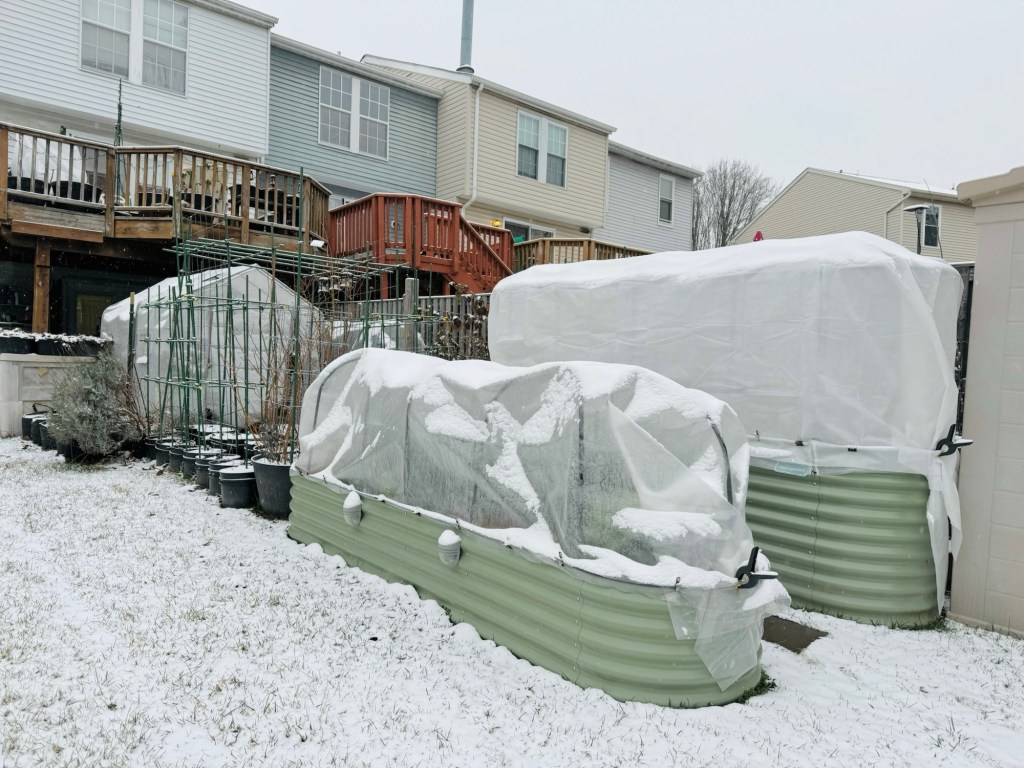
I don’t know about you but winter doesn’t really stop me from gardening. Although I am not as active in the garden as I am during the spring, summer or fall, I still find it refreshing to be able to spend a little time in the winter even if it’s just for a moment whenever Mr. Sun comes out.
Winter can feel like a quiet time for gardening, but it’s the perfect season to prepare, protect, and even grow certain plants. Here are some practical and easy-to-follow tips to keep your garden healthy and productive during the colder months.
1. Protect Your Plants from Frost
Frost is one of the biggest challenges in winter gardening. When temperatures dip below freezing, the water inside plant cells freezes, breaking the cell walls and damaging the plant. This can be fatal for tender plants, especially with repeated freeze-thaw cycles. To prevent frost damage, gardeners should keep a close eye on the weather and take steps to protect their plants, particularly in early spring and late fall when sensitive plants are most vulnerable.
Protect your plants by:
• Using Mulch: A thick layer of mulch can insulate the soil and protect plant roots from freezing.
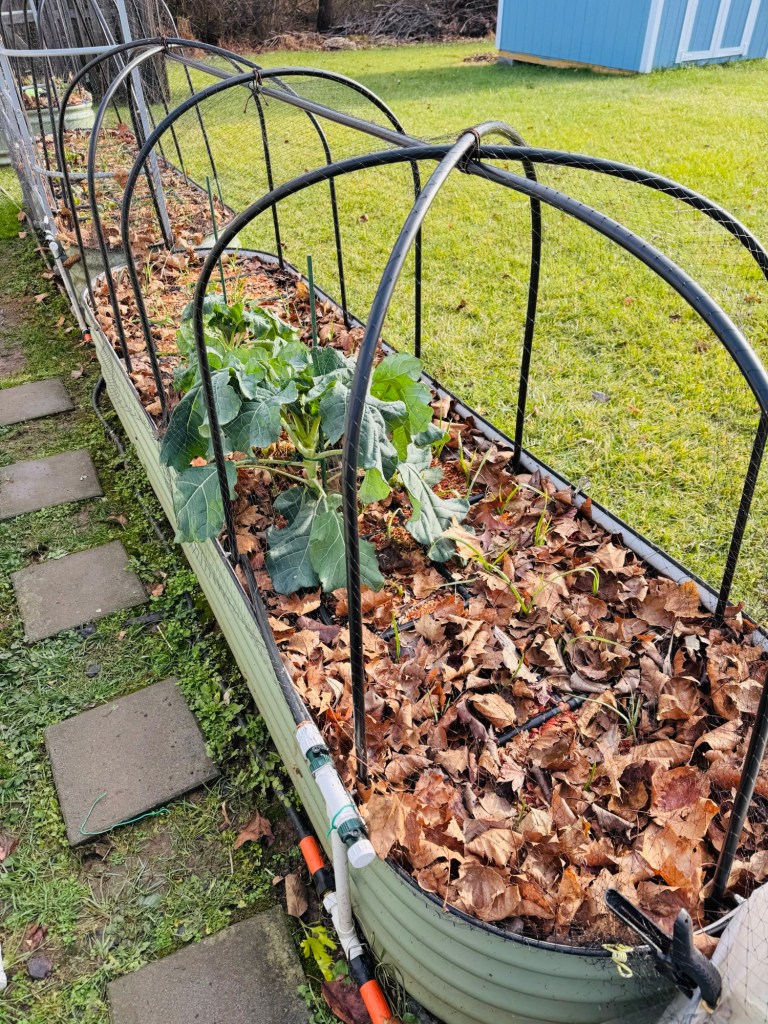
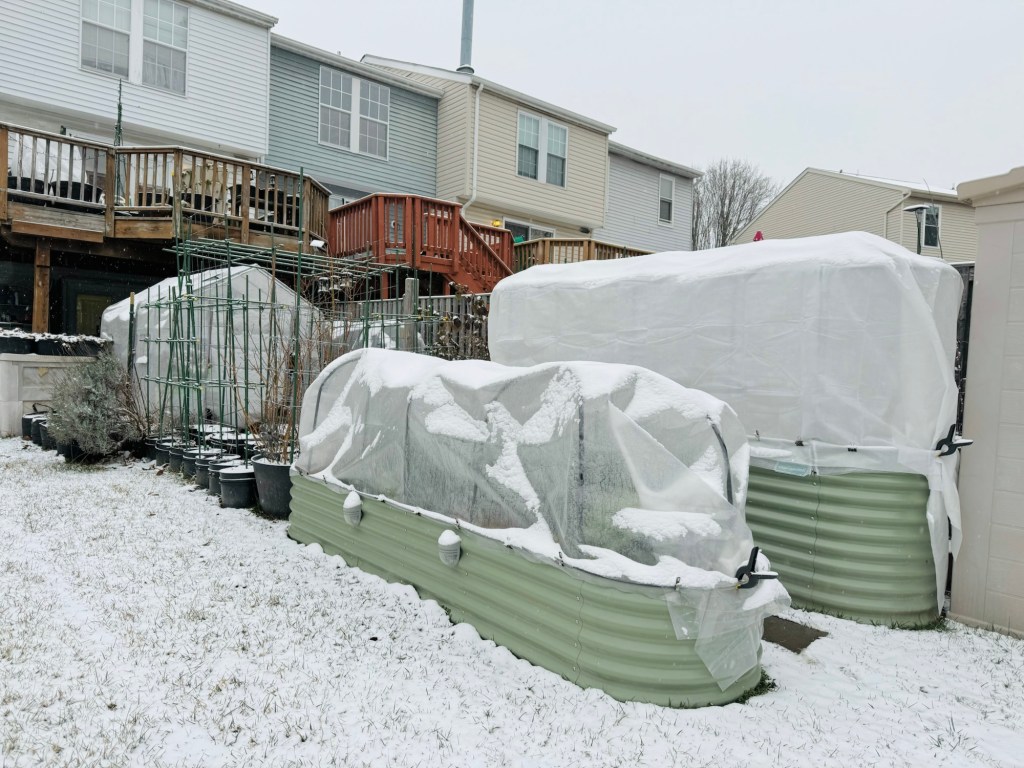
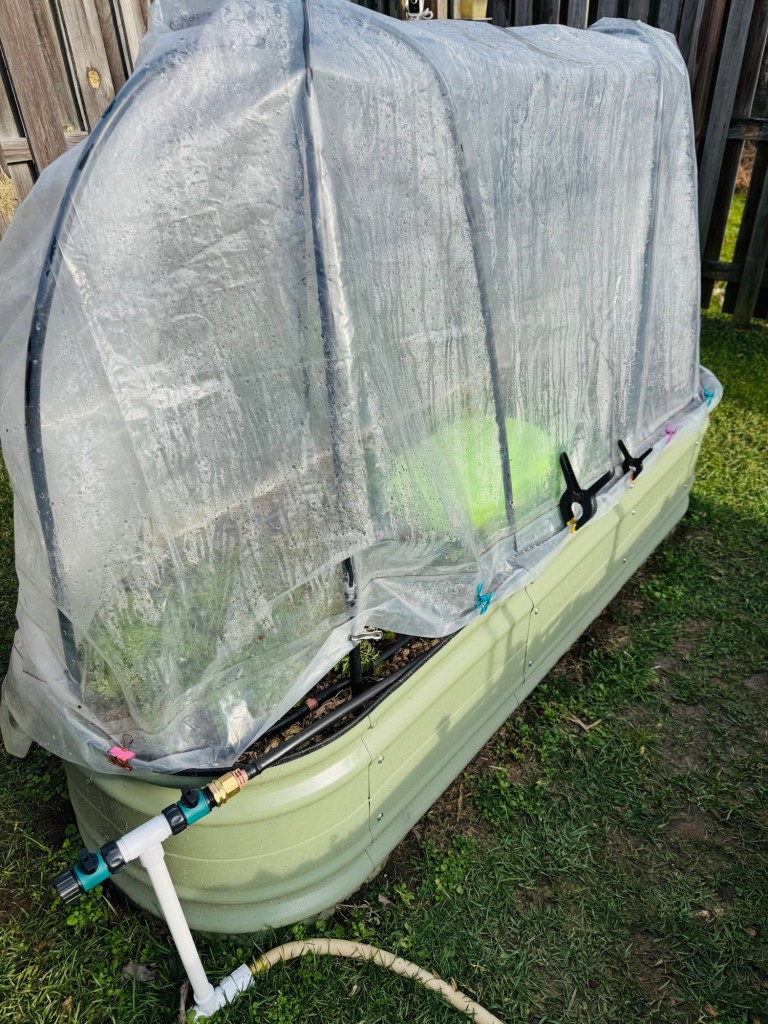
• Covering Plants: Use frost blankets, plastic sheeting, or cloches even old blankets to shield plants from freezing temperatures. For smaller gardens, upcycled totes or storage containers work great.
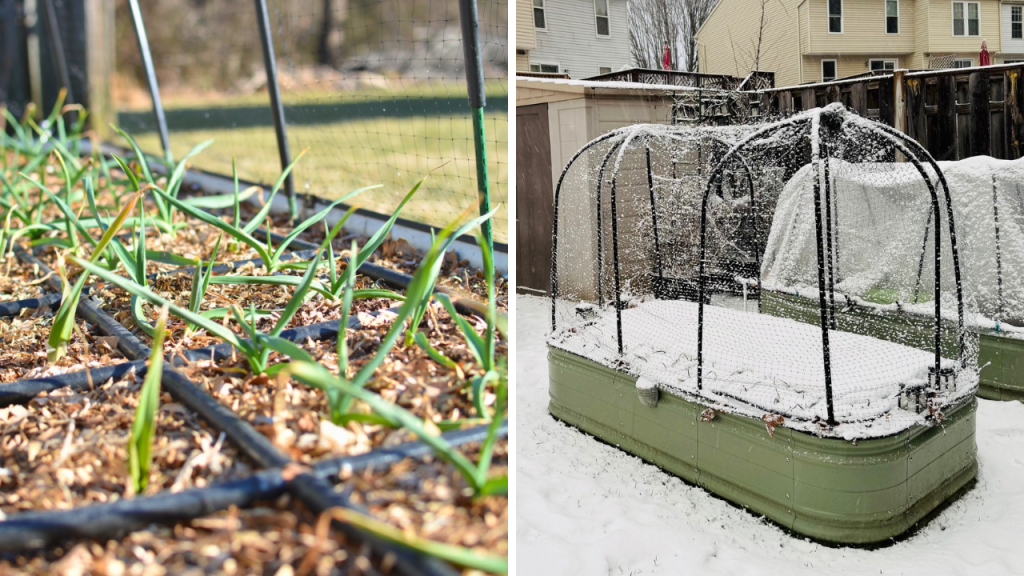
• Choosing Hardy Varieties: Cold-tolerant plants like garlic and carrots thrive in winter with minimal protection.
2. Extend Your Growing Season
You can continue growing fresh produce in winter with these techniques:
• Use Cold Frames or Tunnels: Simple structures like cold frames or low tunnels can create a mini greenhouse effect.
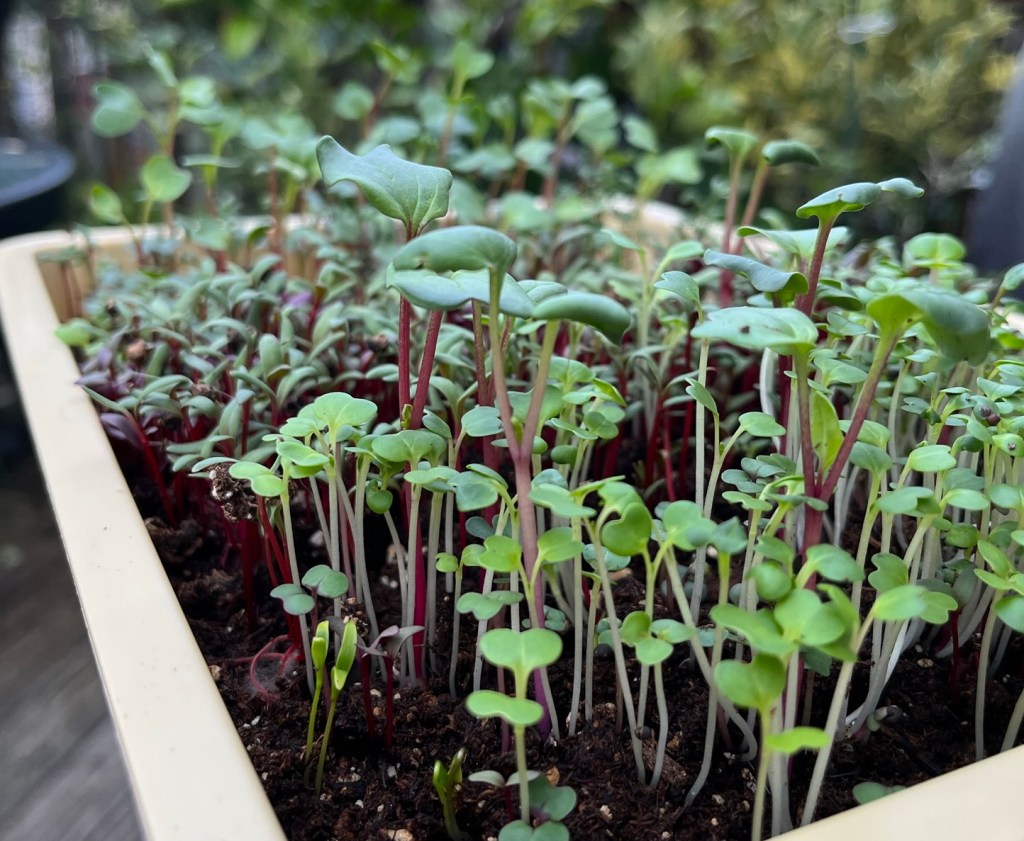
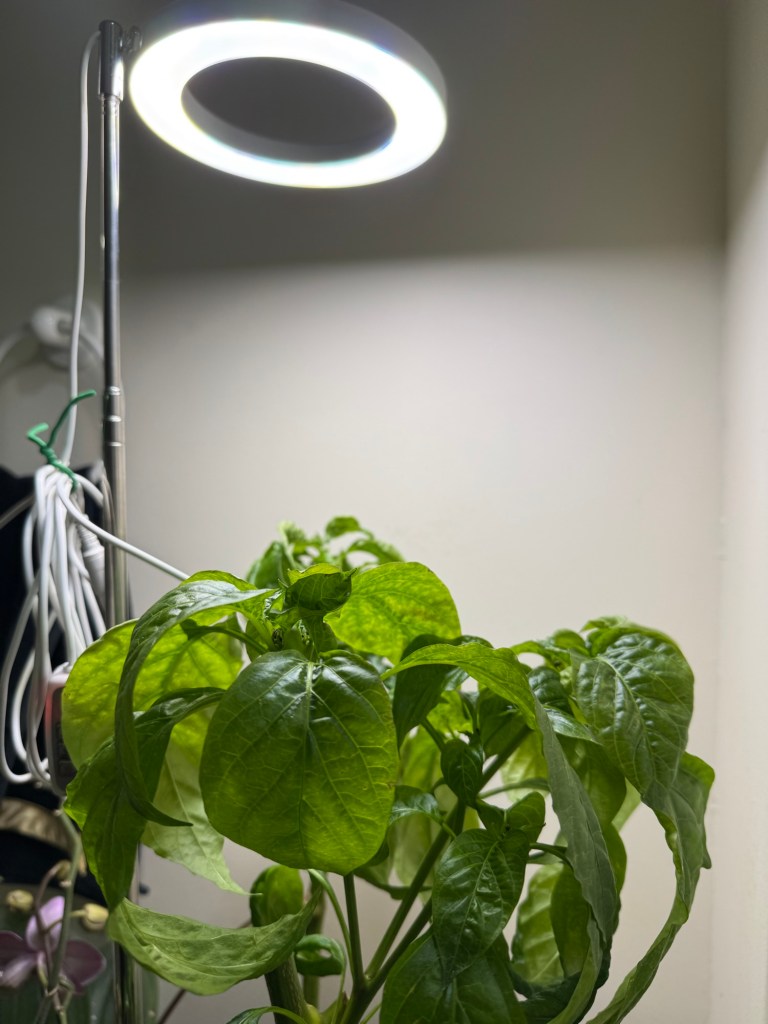
• Grow Indoors: Herbs, lettuce, and microgreens can be grown on sunny windowsills or under grow lights.
• Plant in Containers: Containers can be moved to sheltered spots when temperatures drop too low.
3. Plan Your Spring Garden
Winter is an excellent time to plan for the upcoming growing season:
• Review Last Season: Reflect on what worked and what didn’t in your garden this year.
• Order Seeds Early: Popular varieties can sell out quickly. Winter is the ideal time to get a head start.

• Sketch a Layout: Plan where you’ll plant crops, taking crop rotation and companion planting into account.
4. Care for Your Tools and Equipment
Winter downtime is the perfect opportunity to maintain your gardening tools:
• Clean and Sharpen Tools: A good cleaning and sharpening can make a big difference next spring.
• Store Tools Properly: Keep them in a dry, sheltered place to prevent rust.
5. Feed Your Soil
Healthy soil is the foundation of a productive garden, and winter is a great time to improve it:
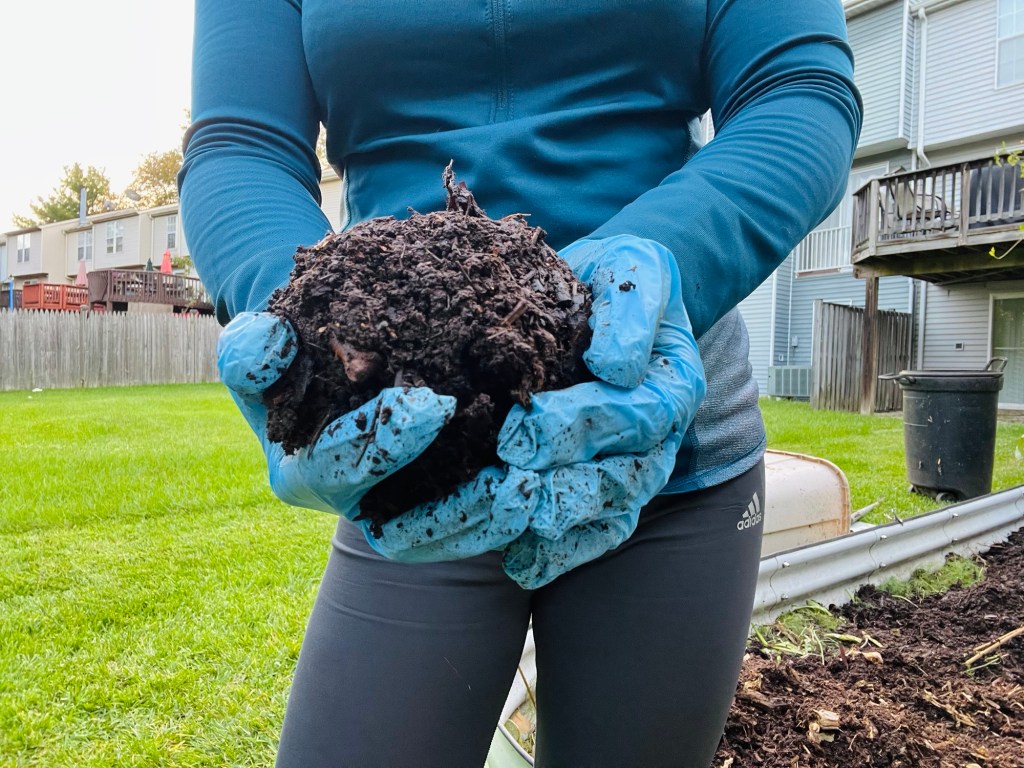
• Add Compost: Spread compost over your beds to enrich the soil for spring planting. It is a game-changer for the garden. It improves soil structure, helps retain moisture, provides vital nutrients for your plants, and attracts beneficial soil organisms. Plus, it can reduce the need for chemical fertilizers, giving you healthier, thriving plants naturally.
• Plant Cover Crops: Crops like clover and winter rye can prevent erosion and add nutrients to the soil. If you’re not a big fan of growing something in the fall/winter, planting cover crop is an excellent option.
• Test Your Soil: Use a soil testing kit to determine if amendments are needed before the growing season.
6. Grow Winter-Friendly Plants
Not all gardening stops in winter. You can still grow and harvest these cold-hardy crops:
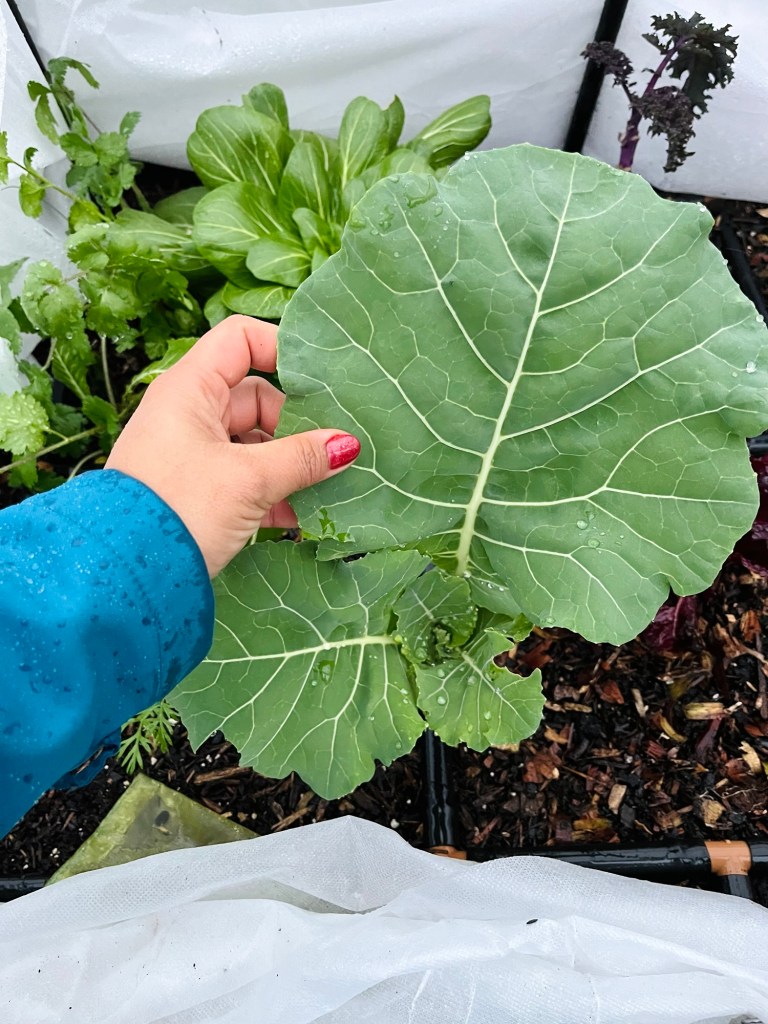
• Leafy Greens: Kale, spinach, and collard can survive and thrive in cold weather.
• Root Vegetables: Carrots, beets, and radishes grow well under the soil’s surface, even in the cold.
• Herbs: Cilantro, parsley and rosemary are hardy herbs that can last through the winter.
7. Watch for Pests
Even in winter, pests like slugs and rodents can still cause problems. Keep an eye out and:
• Remove Debris: Clear out any dead plant material where pests might hide.
• Inspect Regularly: Check overwintering plants and storage areas for signs of infestation.
8. Don’t Forget Your Wildlife Friends
Gardening in winter isn’t just about plants; it’s also about supporting your local ecosystem:
• Feed the Birds: Hang bird feeders to help birds through the lean months.
• Provide Shelter: Leave piles of sticks or install birdhouses to provide shelter for wildlife.
• Plant Winter Berry Shrubs: Plants like holly or winterberry provide food and visual interest.
9. Enjoy the Process
Winter gardening is about more than just chores—it’s an opportunity to connect with nature and reflect on your gardening journey. Take time to enjoy the peace of a winter garden, plan for new projects, and dream about the lush growth that spring will bring.
Winter doesn’t have to mean the end of your gardening season. With a little preparation and creativity, you can keep your garden thriving, protect your plants, and prepare for an even better growing season next year. Whether you’re growing greens indoors, planning your spring layout, or simply enjoying the quiet beauty of winter, there’s always something to love about gardening—even in the coldest months.
Happy gardening!













 Gingerfoot Garden
Leave a comment