
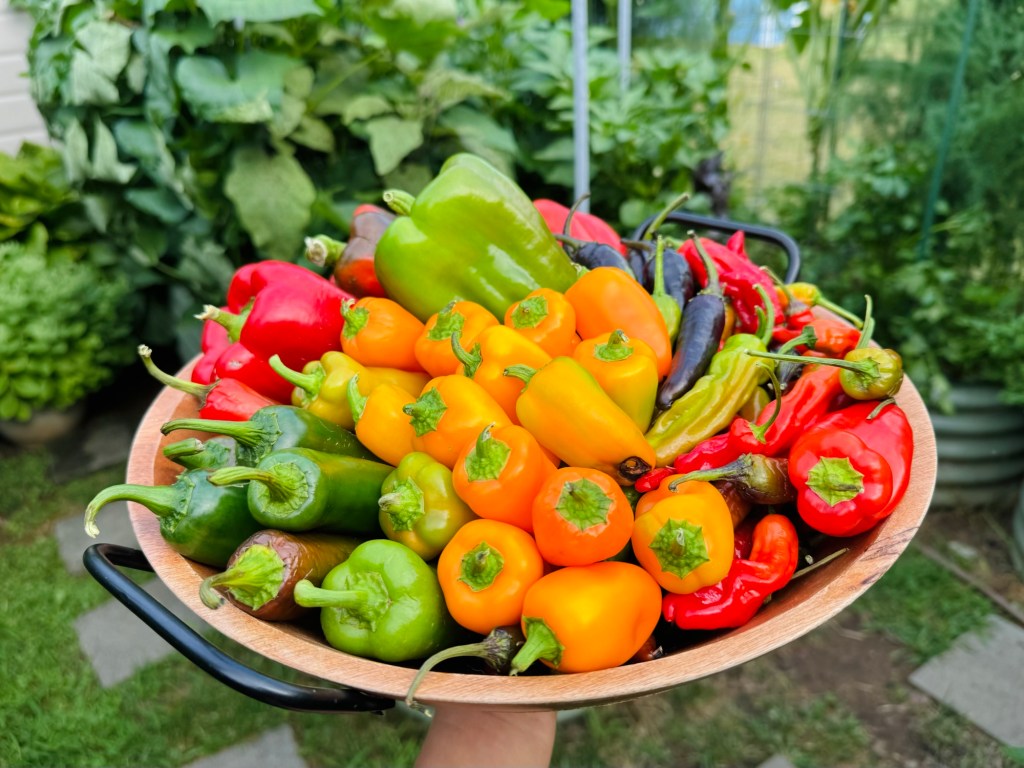
If you’re anything like me, you love filling your garden with crops that are not only productive but also vibrant, flavorful, and rewarding—and peppers check all those boxes.
Peppers are one of the most beloved crops among gardeners. In fact, some growers dedicate their entire gardens just to peppers! The first varieties I tried growing were the ones I grew up with in the Philippines. While they were difficult to find here, I discovered some great alternatives along the way. That search opened the door to a whole world of peppers I had never seen before—each with vibrant colors that brought life and beauty to my summer harvests. And with that color comes flavor and nutrients!
At first, I wasn’t sure what I’d do with so many peppers, but I’ve since learned how to preserve them and use them in different dishes throughout the year. Some pepper varieties can get pretty big, but most are compact, making them ideal for small space gardens. Plus, they’re surprisingly easy to care for—perfect for gardeners of all levels.
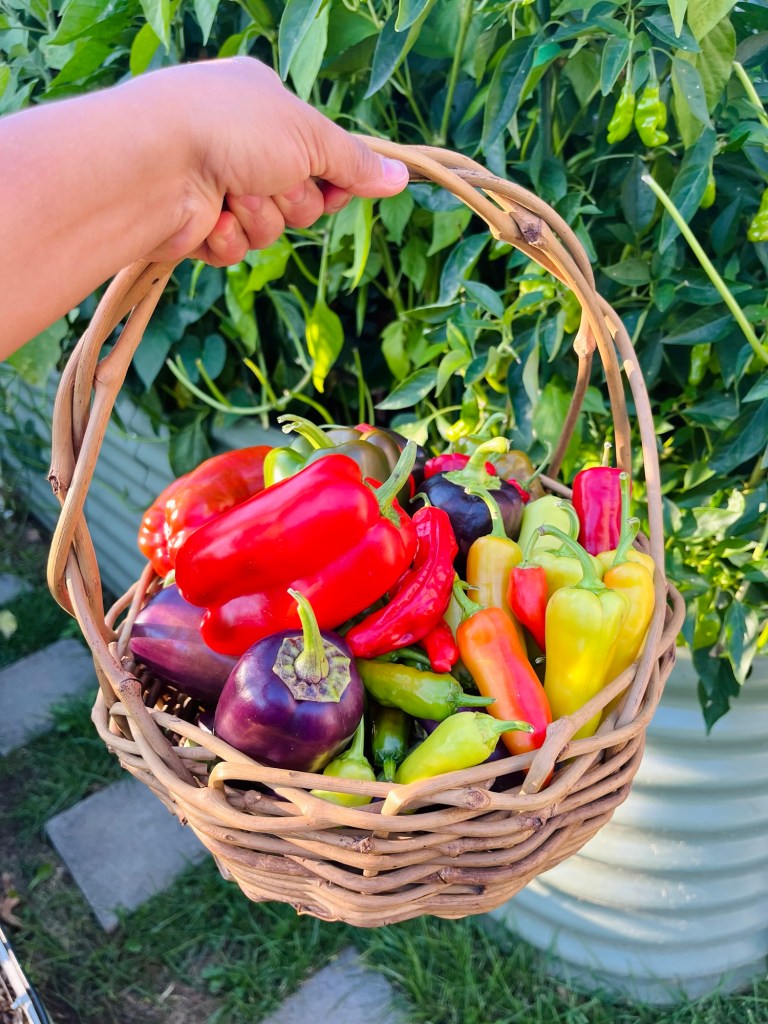
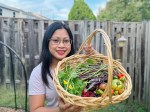
Right now, it’s mid-July 2024, and I’m already harvesting a basketful of peppers every few days. It’s been such a satisfying part of my summer gardening. So today, I’m excited to share my 10 best tips to help you grow healthy, abundant pepper plants—even if you’re gardening in a small space.
Let’s dig in!
🌱 Tip #1: Choose the Right Variety
With thousands of pepper varieties out there, it can feel overwhelming to pick just a few. The secret? Choose based on your taste, your goals, and your garden space.
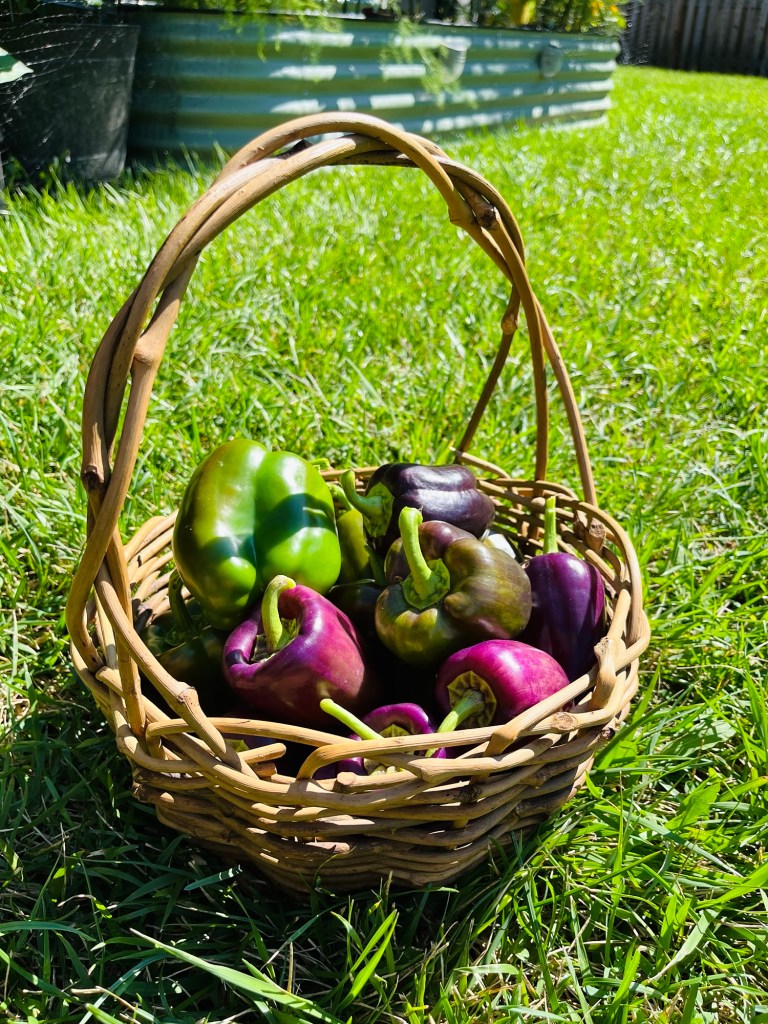
Personally, I grow mostly sweet to mild varieties like bell peppers, lunchbox peppers, jalapeños, and shishitos. I avoid super-hot varieties like the Carolina Reaper, simply because my family and I won’t eat them—and I don’t want to waste valuable space.
Think about what you’ll actually use. Are you planning to make salsa, hot sauce, or stir-fries? Want colorful snacking peppers for lunchboxes? Or maybe you’re growing to sell or share?
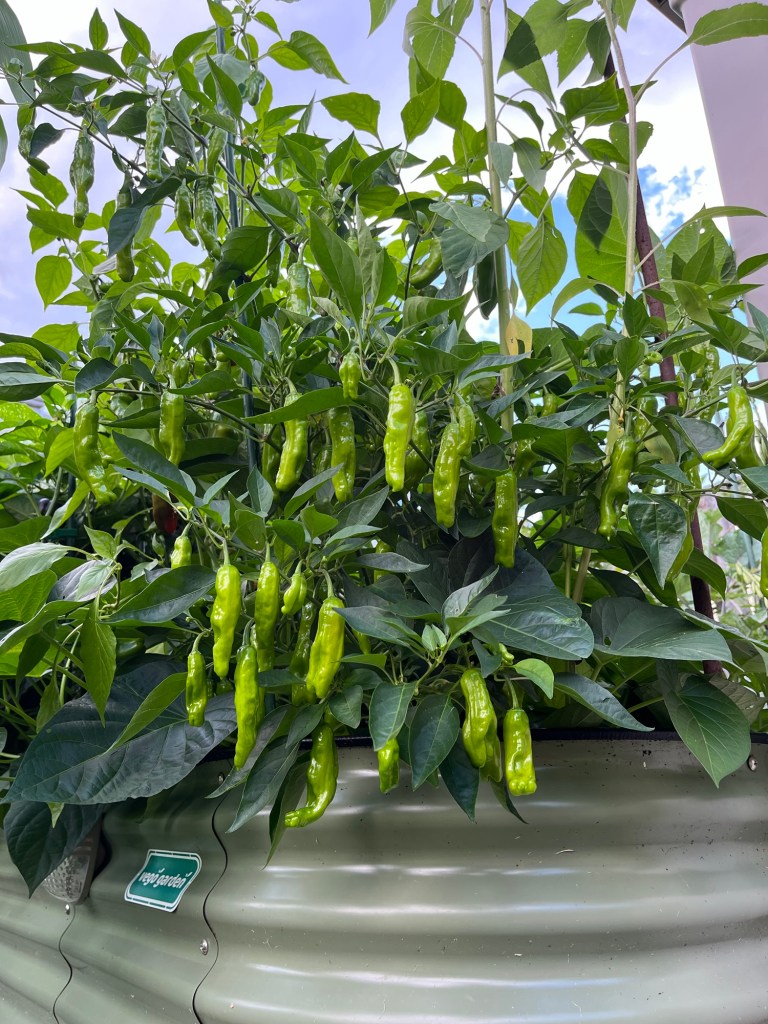
Also, consider your growing setup. Peppers thrive in raised beds, containers, and even fabric grow bags. I grow some in 17” and 32” tall raised beds, but I’ve also had great success with 5-gallon buckets and self-watering planters. The more space you give them, the better they’ll produce—but they’ll still do well in a small pot with the right care.
🌿 Tip #2: Start Seeds Indoors
Peppers are warm-weather plants that can’t handle frost. That means starting them indoors about 8–10 weeks before your last frost date is essential for a head start. In Maryland (Zone 7), that means sowing seeds in early February.
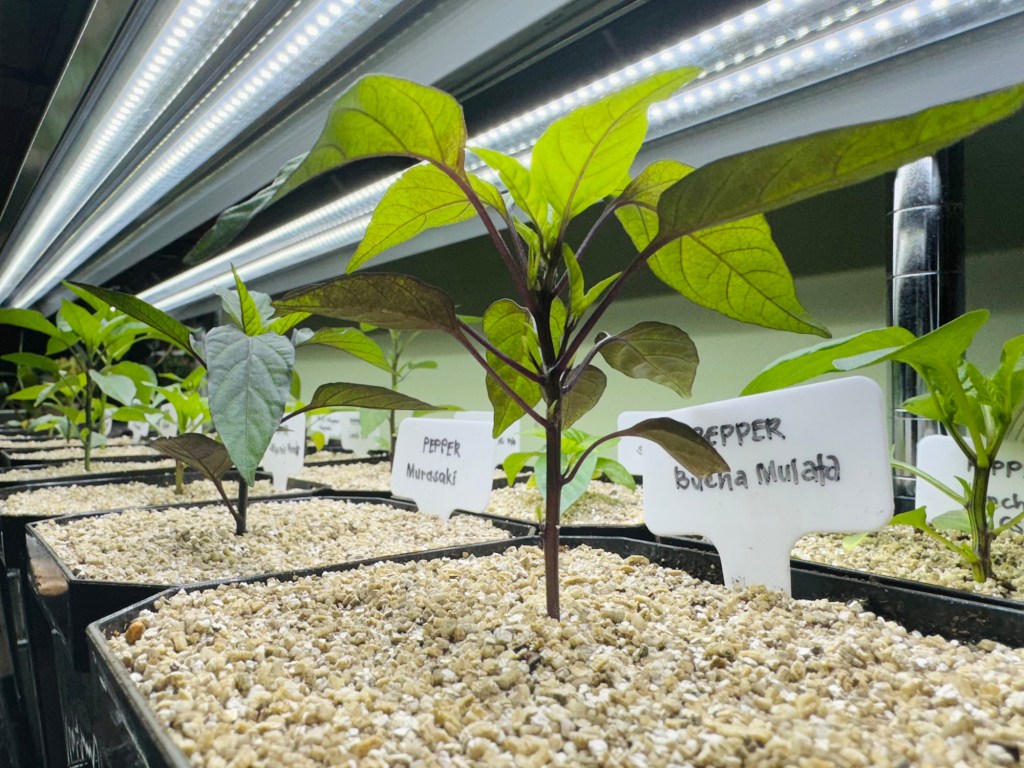
This past season, I started mine as early as December—and while it gave me a bigger jump on the season, you definitely don’t have to start that early unless you’re ready to manage larger seedlings indoors.
☀️ Tip #3: Regulate Soil Temperature
Peppers love sun—at least 6–8 hours of full sun per day. But once summer temps soar into the 90s, some varieties like bell peppers may pause their production or drop blossoms.
To help manage that stress, I mulch heavily and interplant with low-growing crops like marigolds and sweet potatoes, which shade the root zone. Shade cloth is another great option if your summers are particularly intense.
🪴 Tip #4: Use Well-Draining Soil
Peppers hate soggy roots. Use a loose, rich soil that drains well—something like a blend of garden soil, compost, and perlite or vermiculite.
This ensures the plants get both moisture and airflow to their roots, reducing the risk of root rot or stunted growth.
💧 Tip #5: Water Consistently
Deep watering is key. I water my peppers once or twice a week, depending on heat and rain, making sure the soil stays evenly moist—not soaked.
Mulching helps retain that moisture and reduces how often I need to water. A good rule of thumb: water deeply when the top 1–2 inches of soil are dry.
🍽️ Tip #6: Feed Regularly
Peppers are moderate feeders. I fertilize every 2–3 weeks with a balanced fertilizer (or one with phosphorus and potassium-rich liquid fertilizer), sometimes alternating with compost tea. I also toss in kitchen compost occasionally to boost microbial life in the soil.
Keep an eye on the leaves. Pale or slow-growing plants may be asking for more nutrients.
📏 Tip #7: Provide Support
Once they start fruiting, pepper plants can get top-heavy. I like to install small cages or bamboo stakes early on so I’m not scrambling to support them later.
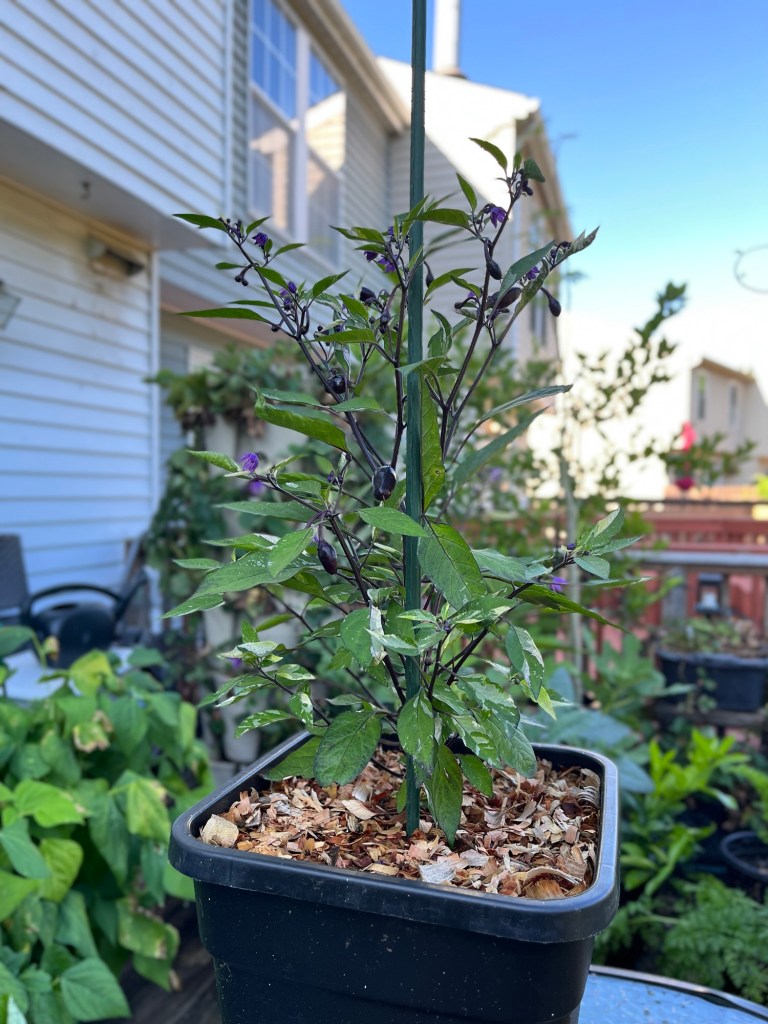
Even in containers, a little structure goes a long way to keep your plant upright and healthy.
✂️ Tip #8: Prune for Productivity (Optional)
This one’s a bit controversial, but pruning peppers can help improve airflow and encourage side shoots.
I usually pinch off the growing tip if my plants are hitting the grow lights indoors or if they flower before transplanting. It redirects the plant’s energy and can help prevent stunting. But if your variety already branches out naturally, you can skip this step.
Also remove any diseased or damaged leaves to keep the plant healthy.
🐞 Tip #9: Watch for Pests and Disease
Keep an eye out for aphids, spider mites, and whiteflies. I typically let beneficial insects like ladybugs and lacewings do their job—but if needed, I spray them off with water or hand-pick them into soapy water.
As a last resort, I use neem oil or insecticidal soap. I also avoid overhead watering to minimize the chance of powdery mildew and other fungal diseases.
🧺 Tip #10: Harvest Often and Enjoy
Most peppers are ready 60–90 days after transplanting, depending on the variety. You can harvest them when they’re green or wait until they turn red, yellow, or orange.
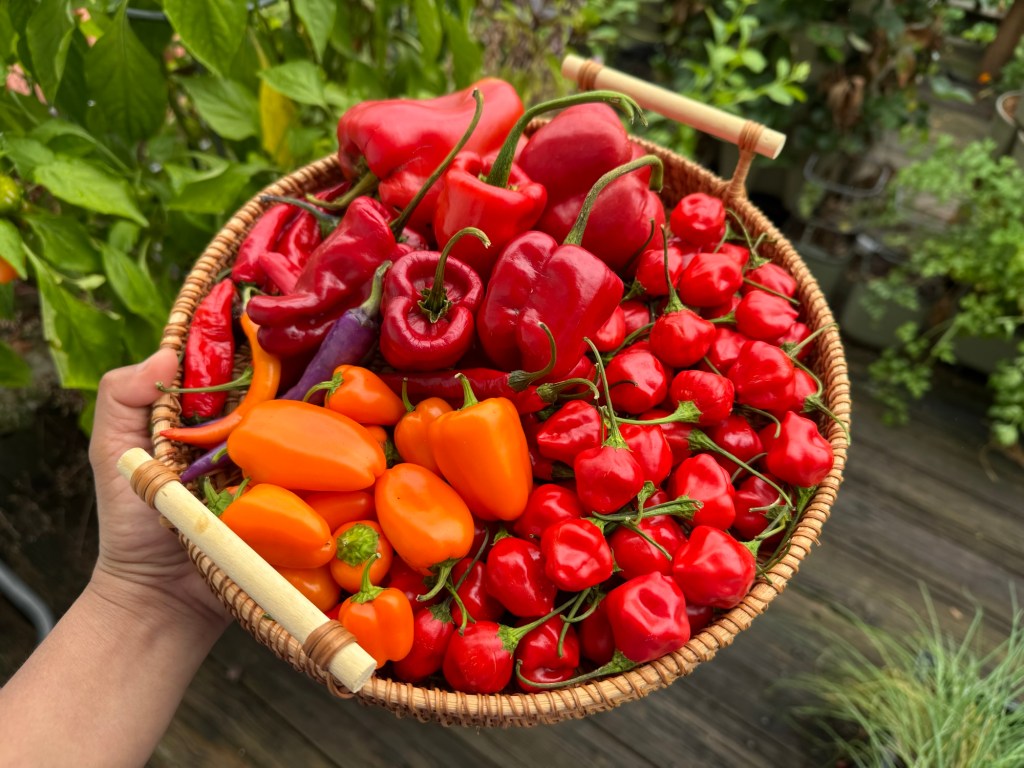
Use garden snips or scissors to harvest to avoid damaging the plant. The more you pick, the more they’ll produce!
❤️ Final Thoughts
Growing peppers in a small space garden is not only possible—it’s rewarding and fun. From tiny lunchbox peppers to vibrant jalapeños, these plants add color, heat, and joy to your garden and your kitchen.
Whether you’re growing in a balcony container or a raised bed, I hope these tips help you get the most out of your pepper plants this season.
Have questions? Leave a comment below and let’s chat peppers.
If you enjoyed this blog, please share it with a garden friend who could use a little encouragement this season. 🌱
Until next time—happy gardening!



 Gingerfoot Garden
Leave a comment