
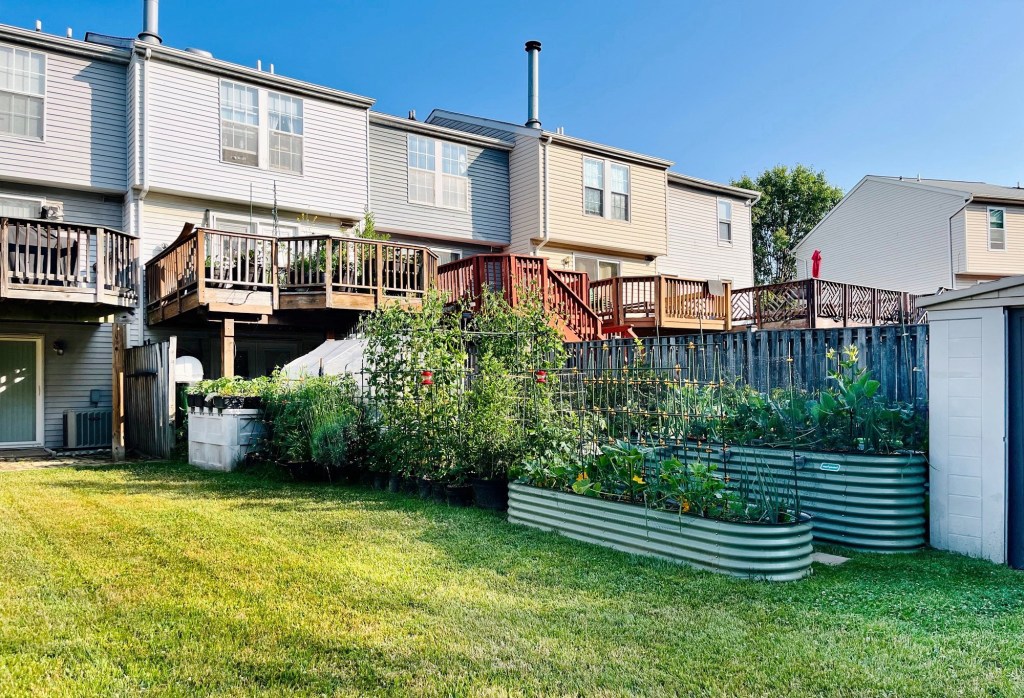
In my experience, crop rotation is a very challenging gardening practice to apply in a small space garden. However, there are ways to apply it in a small scale level to mitigate the issues that comes with not being able to fully practice this gardening method.
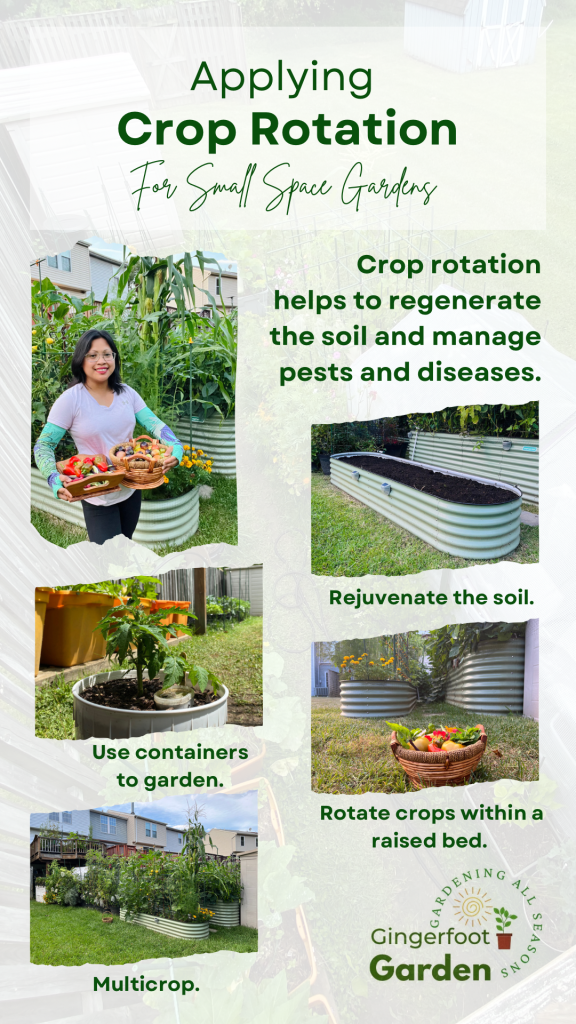
What is crop rotation?
Crop rotation is a gardening or agriculture practice, where crops of different families are intentionally planted in different beds or locations to prevent depleting the soil of nutrients and to minimize pests and diseases. For example, if you grew tomatoes, which belong to the Solanaceae family, in a particular garden bed previously, you’ll grow a different crop, maybe some beans, which are in the legume family. Farmer’s typically plant different crops each year in different plots to reap the benefits of crop rotation.
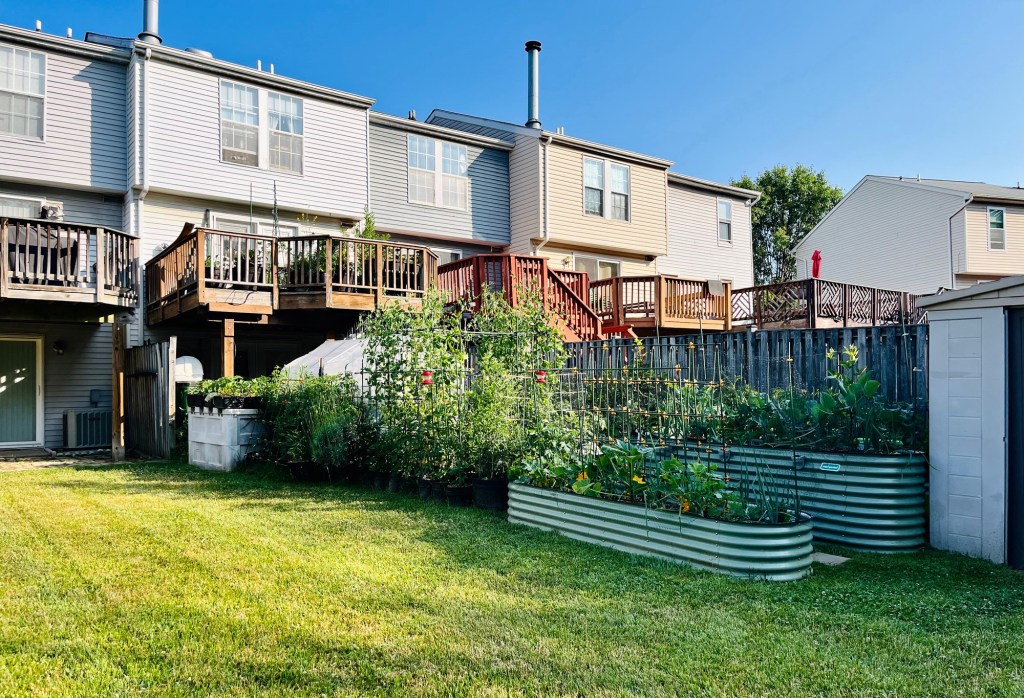
The benefits of crop rotation
- To regenerate the soil. Plants of the same family generally pull similar nutrients and minerals from the soil. If you plant the same type of crop in one location over and over, the plants will eventually deplete the soil of what it needs. You’ll notice that the yield will decrease every year and they will be more susceptible to pests and diseases.
- To manage pests and diseases. Plant families are generally attacked by certain pests and diseases. Bacterial diseases stay on the soil and pests can lay eggs and overwinter on the soil. By switching the family of plants in each bed, you can prevent a more serious problem with pests and diseases.
What are the issues with crop rotation for a small space garden?
Most of us home gardeners with limited planting space most likely don’t have the option to practice crop rotation. And if we do, chances are, we may have issues with sunlight exposure, which is an important factor in the optimal growth of the plant.
Additionally, even if plants are rotated to another spot, if the proximity is not significant enough, it may not even help to prevent any pest issues. Pest may easily find their favorite plants anyway.
How to Practice Crop Rotation for Small Space Gardens?
- Rejuvenate the Soil
Replenish the soil of raised beds every year by adding nutrients and minerals. I feed the soil at the end of the growing season. I chop and drop some organic matter for the soil to feed on, add fresh soil, compost, worm castings, especially Azomite to replenish the nutrients and minerals that may have been depleted in the soil. By doing so, you can regenerate the soil and nourish the organisms and foster balance in the soil ecosystem.
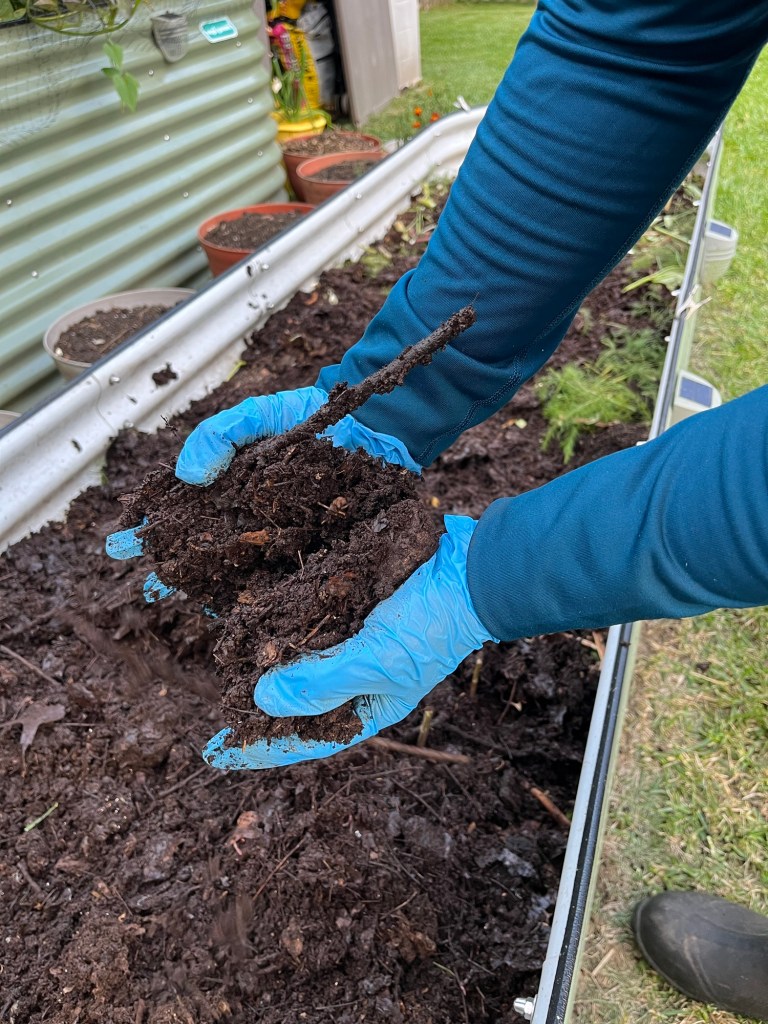
For potted plants, I often replace at least half of the soil with fresh soil. I also add some organic matter like plant clippings, kitchen scraps or compost that isn’t fully finished yet, in small amounts, during the fall to feed the soil. I mix and cover those with fresh soil to help the soil organisms to break them down faster. I also amend it with worm castings, azomite and compost to replenish the nutrients to make sure that the plants have what they need when it’s time to plant in the spring.
- Use Containers to Garden.
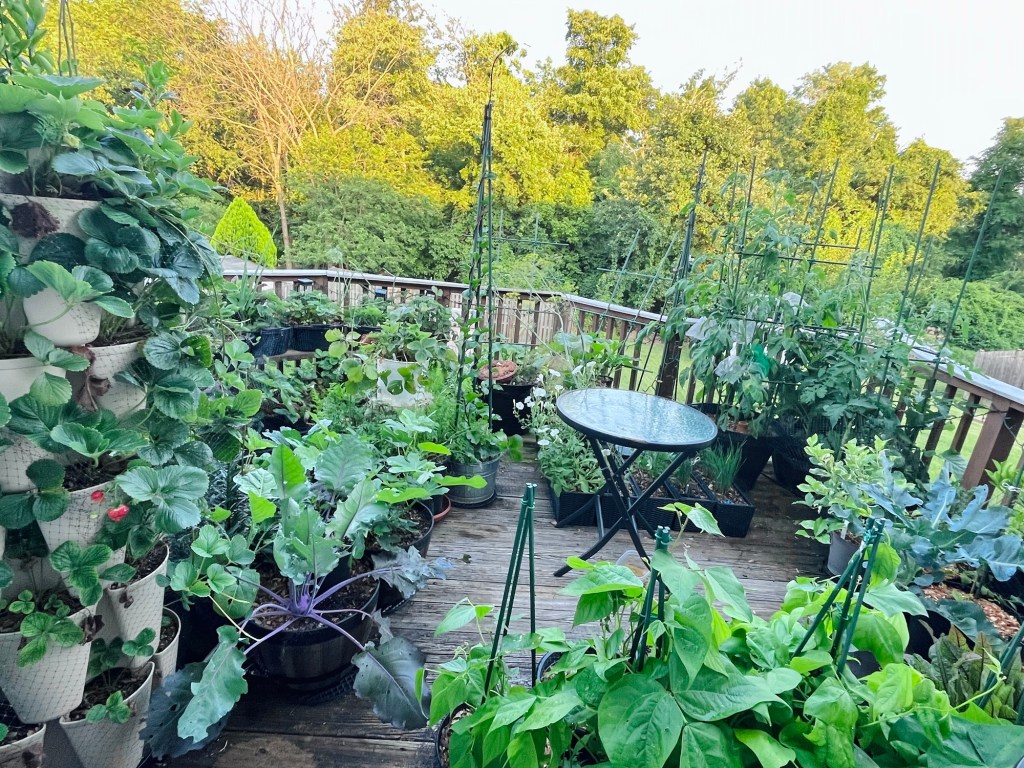
It’s very convenient to practice crop rotation using containers because of the versatility to move them around and plant different crops each year. Additionally, you can easily replace the soil that may have been depleted or infested with pests or diseases. Using container is a good option to grow a certain crop if there’s no more space left to switch with.
- Rotate Crops within a Raised Bed
If you have space to switch planting crops each year, I recommend doing so. If you happen to have a similar issue as mine, where I couldn’t plant in a different raised bed I rotate between square foot space. For instance, if I planted an okra plant in Square Foot A previously, I’d grow it the following year in Square Foot B or C. While that may not make much difference because of close proximity, separating the space within a raised bed could help a little to reduce risks.
- Multicrop
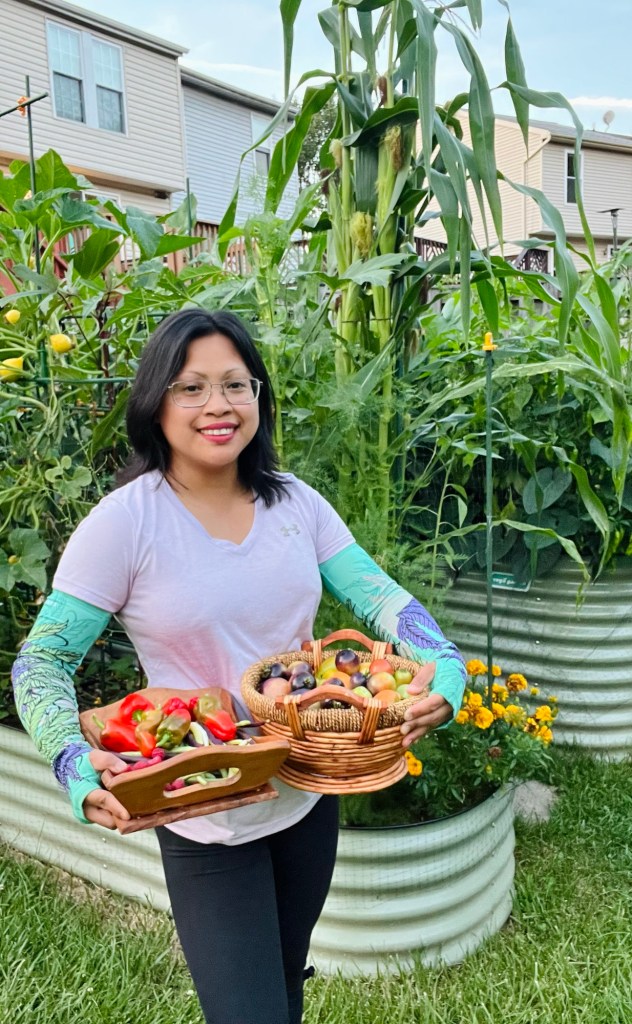
Multicropping or growing different crops in planting space not only allows for a beautiful assortment of harvest, it can also help improve biodiversity and minimize pest issues. Instead of planting a single type of crop (as in monocropping) I typically plant more than three types of plants and stagger them in the raised bed to maximize my space and confuse the pests and minimize their damage. I grow plants that do well as companion plants to benefit each other, prevent depleting nutrients, discourage pests and increase pollination.
For small space gardeners, there’s no doubt that the crop rotation is really hard to practice but there are things we can do to prevent the effects of not practicing crop rotation fully. I prioritize sunlight accessibility over crop rotation. I think plants tend to have the worst problem when the sunlight requirement isn’t met. Planning the garden can help mitigate the issues of the lack of crop rotation practices and as usual trial and error can help you figure out the best system that can work well in a small space garden.
What about you? Do you practice crop rotation in your garden? If so, how do you do it? Let me know in the comment!











 Gingerfoot Garden
Leave a comment