
The idea of starting a garden became so much more desirable to a lot of people these days. More than ever, people realized the importance of sustainability and preparedness especially with food supply issues that we have witnessed ourselves.
Having some fresh, pesticide-free and organic vegetables is not the one and only benefit of gardening. There is something about gardening that is very rewarding and therapeutic.
As a somewhat new gardener myself, I remember how overwhelmed and lost I was. There are so many available information out there but figuring out how and where to start was quite confusing to me so here are a few of my tips for a beginner gardener:
Understand your growing zone location
Learn what grows best in your zone. You can find more information about your zone here.
I live in Maryland, 21244 so my growing zone is Zone 7. Knowing that information will help you find the average last frost and the average first frost date within a calendar year.
I also recommend checking our states local extension. They often have a sheet that contains information that will give you a time frame to get your seed starts going. These are
It will help you figure out when is the best time to start sowing seed, it will help you figure out which plants are perennials and annuals
Perennial – Are plants that survive your local climate. Some are evergreens but some go dormant in the fall/winter season and comes back every year.
Annuals– Plants that have to be replaced and replanted every year because they don’t survive the harsh weather condition in your area such as freezing temperatures.
Take small steps and learn is you go. There’s a beauty in starting small and making the most out of it. It is less overwhelming and it is so much more manageable.
Start Small
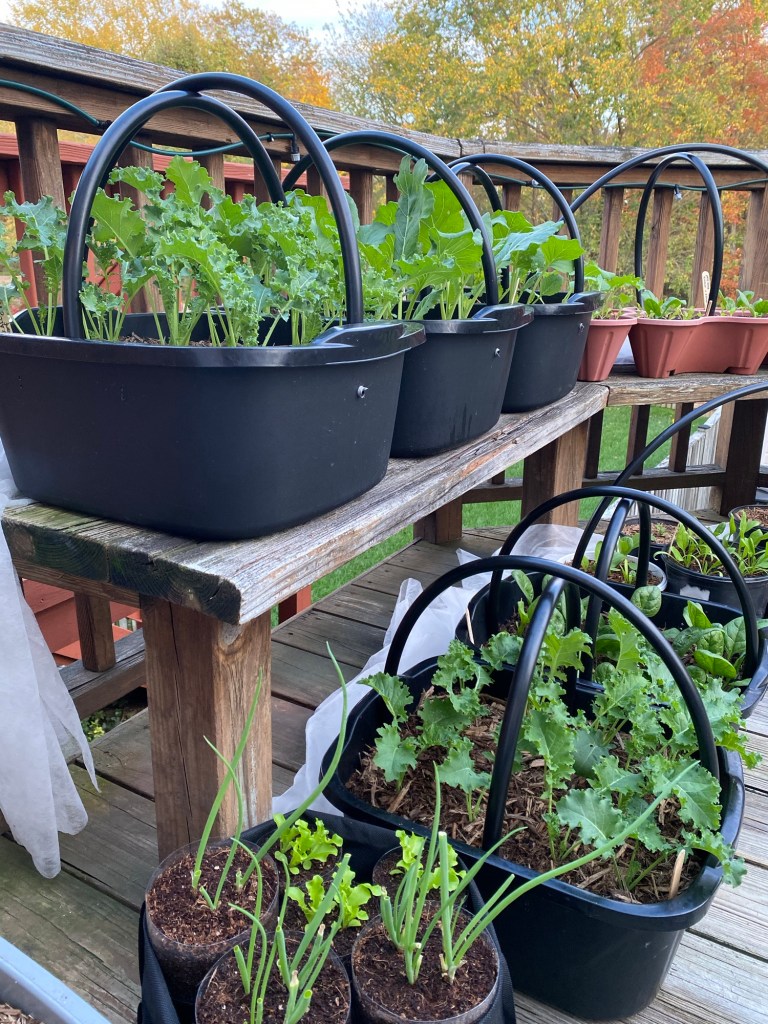
You can start growing the vegetables that are easy to grow such as herbs, leafy greens and bush beans. Figure out the vegetables that you (and your family) likes eating and try to grow it in a container. Learn how to grow them well and expand when you feel comfortable.
I also recommend growing in a few containers first or to one raised bed. Work with a number that will be easy to manage. Once you get a hang of gardening routine and learn more practices to apply, you will naturally expand. Just like our plants, we naturally grow so take it slow and enjoy the process. It’s okay to have goal but don’t rush. Remember progress over perfection. Gardening is suppose to be fun. When you begin to feel stressed chances are you may need to slow down a bit.
Invest in yourself
At this information age, finding information has become so much easier. There’s a vast information readily available that will equip any gardener and learn how to grow. I believe that investing your time in learning the gardening skill is a time well spent. It is something no one can take away from you and in my opinion it only improves you as a person. A wise gardener once said, the most important aspect of a gardening is the gardener himself/herself.
Have an appetite for learning. Binge-watch YouTube channels about gardening and find a gardening community on Instagram or Facebook that will inspire you to grow. Find people that share the same passion as you and have fun growing with them.
I will caution you, however, as you follow your favorite gardeners to avoid comparing yourself with other gardeners. Get inspired but remember that each and every gardens are different and everyone’s circumstances are not the same. Make the most of what you have in hand and develop an attitude of gratefulness.
Learn your growing space
Observe your garden and find out where you get full or partial sun exposure. Learning this will help you decide where to grow plants depending on their need. This way you can take advantage of your growing space fully. No matter how small you garden is you can maximize your production by utilizing every space possible.
Full – six to 8 hours of direct sun exposure (Plants that flowers and sets fruits or heads or form tubers)
Partial-3-4 hours of direct sun exposure (Leafy greens)
Shaded– Dappled light or less than 2 hours of sun exposure (Light or temperature sensitive)
There are plants that thrives best in each of these conditions. Placing them in the right location will not only help you maximize your harvest but it will also help maximize your space.
As a person, who had a fair share of failed gardening experiences, I encourage you to take the first step. Don’t overthink and enjoy your moment in the garden. If you fail, keep trying. Even the gardeners with years of experience failed along the journey.
I hope these tips will help you start your gardening journey. Let me know in the comments if you’re a beginner or a seasoned gardener.
Feel free to share what you’re looking forward to growing this year.
Happy Gardening!







 Gingerfoot Garden
Leave a comment