
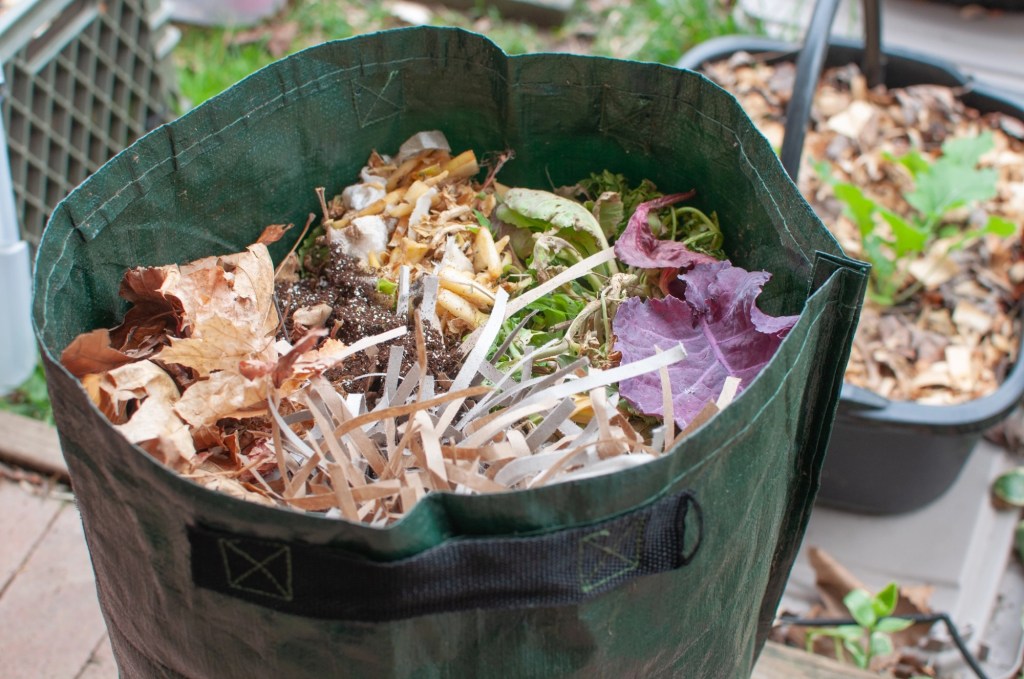
When I was just learning how to garden successfully, I noticed a pattern right off the bat. Having a healthy soil is one of the keys to a successful garden and abundant harvest. A healthy soil will allow plants to grow even with neglect. Yes, there I said it. Plants just want to grow. If the soil is fertile enough you’ll be surprise how well they will thrive in an unexpected area. I’ve seen plants grow in a compost pile because the soil is so rich and full of nutrients that the plant needs.
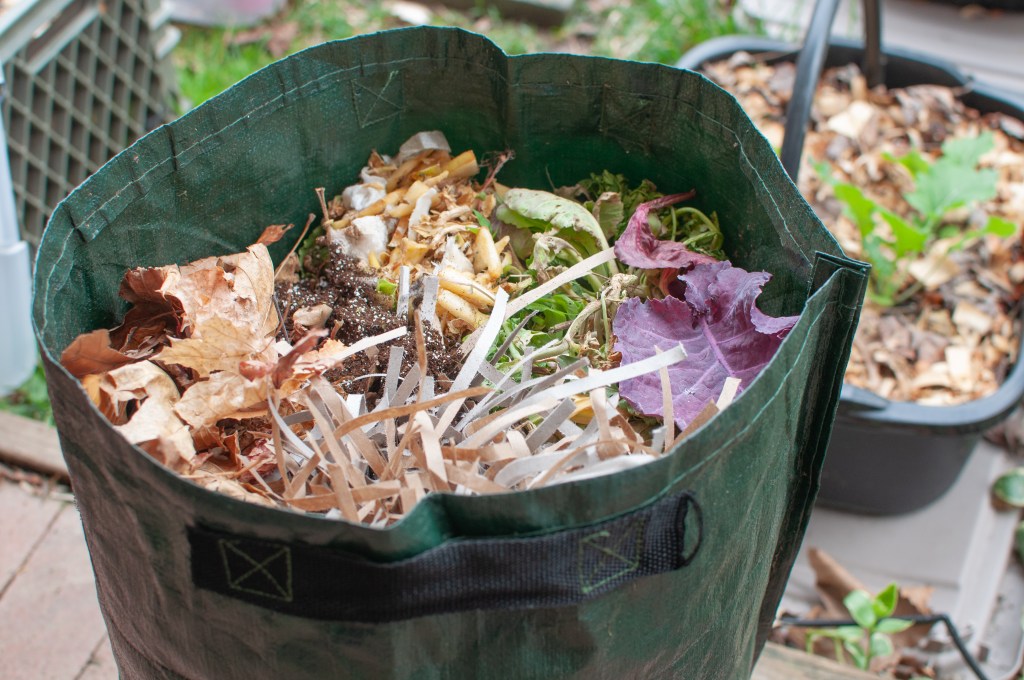
Compost is often referred to as “black gold.” It is because of the rich nutrients that plants need in order to thrive. It is neither soil nor fertilizer but it’s an amendment to soil. It’s a natural process of breaking down organic materials just like papers, leaves and food scraps into a nutrient dense product that enriches the plants and works with soil organisms.
Composting provides a wide range of benefits not only for improving soil health for plants but to the environment which impacts the quality of human life as well. By recycling food waste and organic materials, you help mitigate the harmful effects to every life form on earth. You may just be seeing it as a small thing but it does make an impact to the environment.
What are ingredients to make a compost?
1. Nitrogen is also referred to as “greens” because most of the materials that belongs to this composting category are fresh greens like the grass clippings and yard debris. However, they are not always green in color, just like coffee grounds. These materials are responsible for helping breakdown the materials faster. I recommend 1/3 to a half of this in a compost pile. Spent tea bags and coffee grounds are among the kitchen scraps that you can add into your compost.
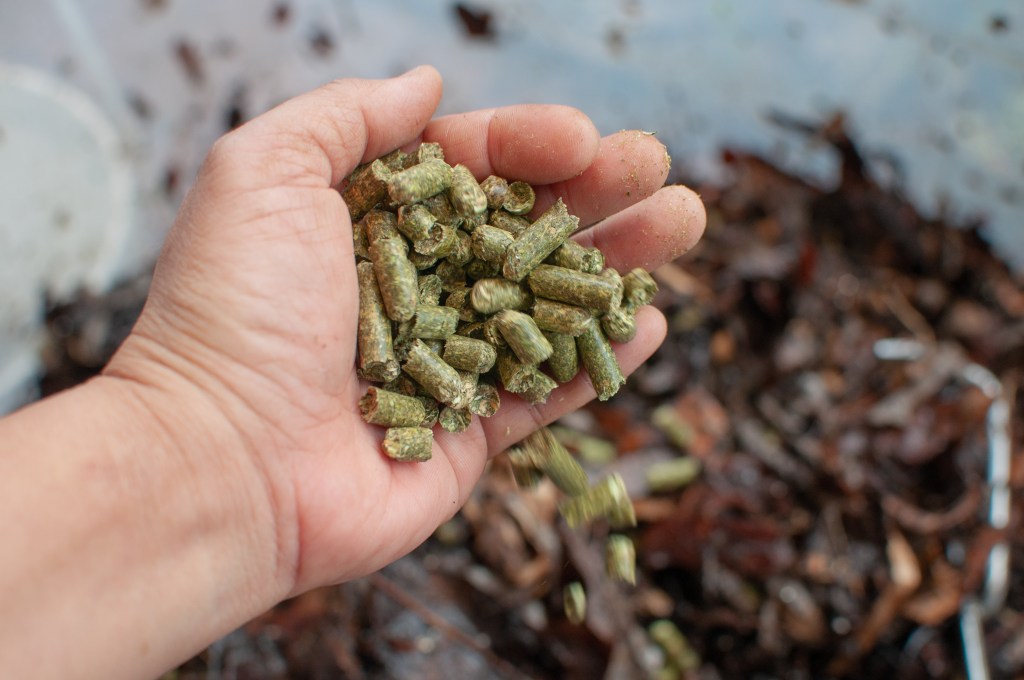
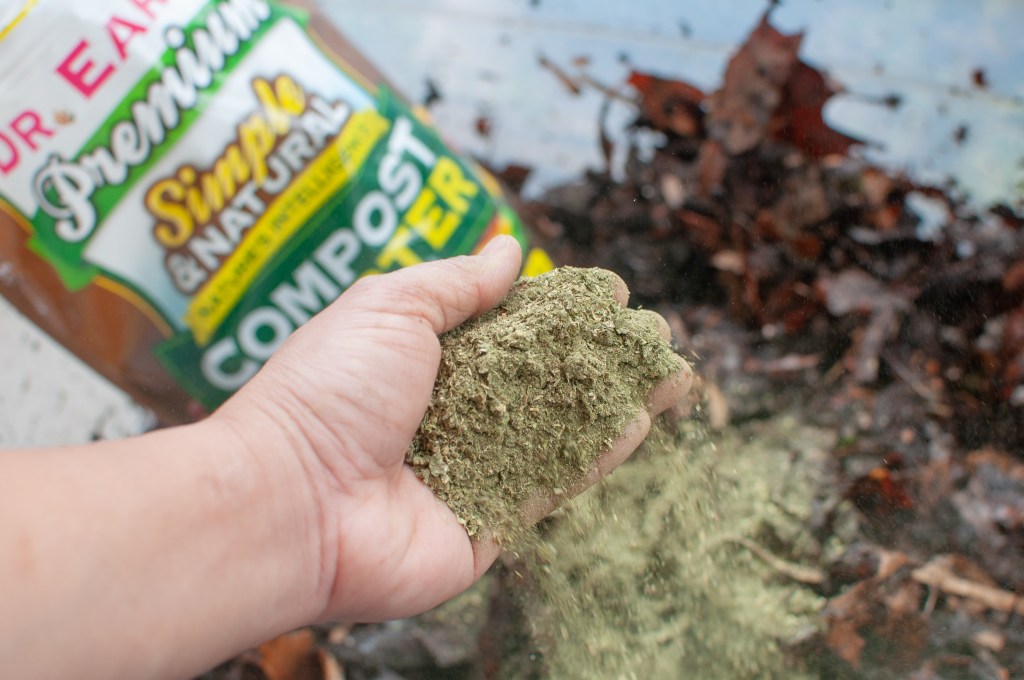
There may be times when you’ll notice that your compost pile isn’t breaking down as fast as want it to be or you have collected a bunch of leaves in the fall and would love to speedup the composting process, one way to increase the nitrogen source is by adding some alfalfa pellets or adding compost starter.
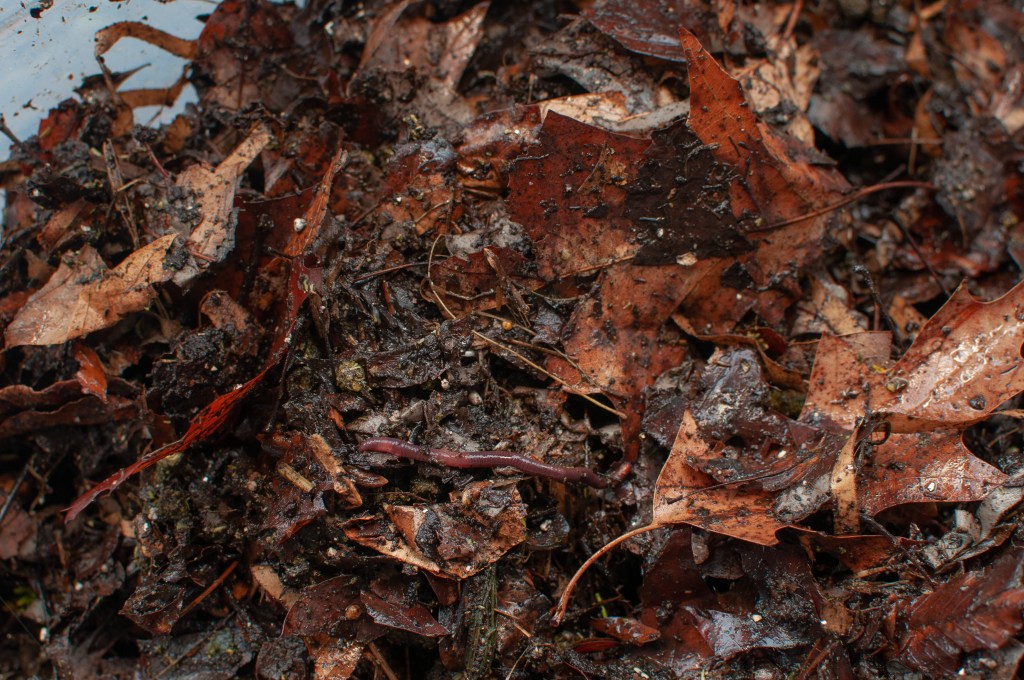
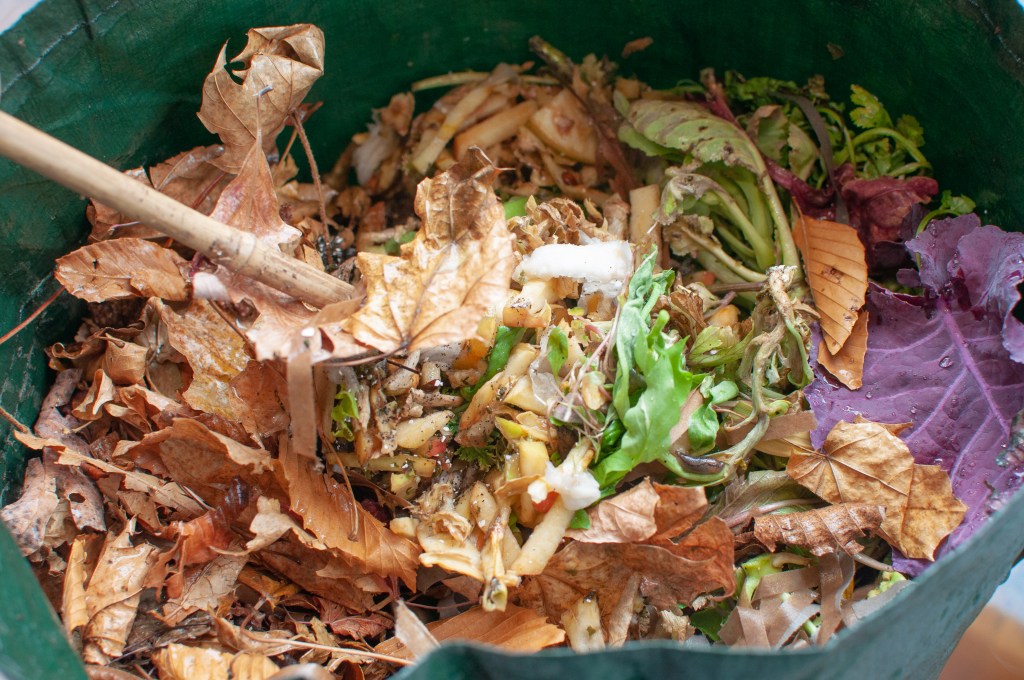
2. Carbon are composting materials that are generally brown, hence why it’s called “browns.” They’re not always brown, though. Cardboard boxes, papers, dried leaves, paper egg cartons are among the materials that are included here. It is the foundation of the compost structure and the lack of or without it your compost pile will just become unpleasant. These are often the dry materials that builds the compost (or soil) structure. I helps control the foul odor of the compost. I recommend a half of this to 2/3 part in a compost mixture.
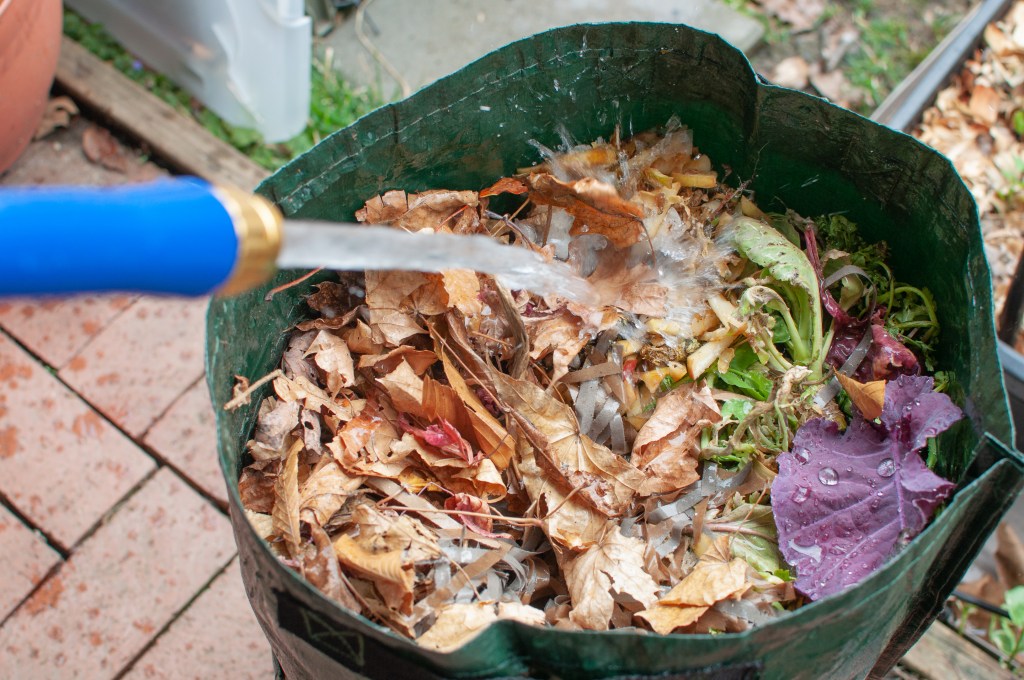
3. Water is another important element that we overlook sometimes. Most of the time rain water is sufficient but it’s a good idea to always check the moisture of the pile and maintain the consistency. Water allows micro bacterial activities to take place. Without this, the micro organisms that aids in decomposition will not be able to do their job. I recommend watering while turning the pile as needed.
4. Oxygen is vital to every life form on the planet. Without this nothing will survive, the same is true with the soil organisms. It’s important to remember this making your own compost. You provide oxygen to your compost by aerating the soil and adding in a few big chunks of materials (sticks and twigs) that will provide air packets to holds air. Soil aeration is just a fancy word for mixing or turning the pile in order to bring in oxygen to the mixture. This will help keep your compost pile from producing offensive stinky smell especially if your pile have an abundance of nitrogen contents.
Composting is a lifestyle that I really recommend for gardeners. You will not always have a perfect mixture of materials or be able to water or aerate the soil. Please don’t overthink the ratio and the work it requires to be able to compost. Understanding what materials are needed and making it a habit to collect materials is a good practice.
What should I NOT include in my compost?
Bones, meat and fish scraps. If you’re using bokashi to compost these will be okay or if you are burying these really deep in an earth bed, feel free to use these. However, for a compost pile, especially those that are on small scale (container) compost, I recommend NOT adding this to avoid attracting rodents and other garden pest that eats these. These will have a tendency to have a more offensive small, too, so I normally don’t include these.
Spoiled food waste. I have made a mistake adding this in my compost pile when I was just starting. I dumped some spoiled rice and it made my pile smell so bad especially because I didn’t turn it. I don’t recommend adding this to a compost pile unless you are adding a very small amount.
Dairy Products and Cooking Oil. They can attract pests and bring in harmful bacterias. It can mess up with the moisture balance in your compost.
Human, Cat and Dog feces. They contain harmful bacteria that is not good for human. They shouldn’t be used in edible gardens at all.
Heavily Coated Prints. Manufacturers are now using inks that are generally non-toxic however, most heavily coated print materials such as magazines, ads and newspapers contain chemicals that are harmful to human. Avoid adding this materials in your compost to prevent toxic materials from getting into your soil.
One composting hack to speed up the process of composting is increasing the surface area of the compost materials, but cutting or breaking them into small pieces, shredding or pulverizing them. This allows more space to for the microorganisms to get their job done faster.
If composting is good, why isn’t everyone doing it? Unfortunately, there are myths about composting that turns people off when it comes to composting but lets debunk each of them:
- It is stinky.
I don’t blame anyone for thinking this way. I think we’ve all smell it at some point in our lives but I tell you, if you do it the right way, it will not give off an offensive smell at all. There should be a correct balance of nitrogen and carbon in your compost mix. The reason it smells bad is because of anaerobic bacteria. One way to correct it, if you ever encounter this, issue is by adding more carbon to your compost heap and by mixing or aerating the compost.
- It will attract animals and insects.
If you avoid adding materials that were mentioned above, you not have an issue with attracting animals that are foraging for food. When I was newer to composting, I hated seeing insect flock on my compost bin. That is until I have learned that the key to avoiding that issue is by covering the pile with soil (or carbon) on the very top. Every time you add a nitrogen rich materials, it’s a good practice to cover the top with carbon material to avoid insects from hovering around.
Hot compost vs Cold compost, which is better?
There are other composting methods that gardeners use, such as vermicomposting but I will not discuss it in this post. I just want to cover the basic. I think it’s important to understand the concept of these two methods of composting:
Hot Composting
This is a method where the compost is more active, thus releasing heat in the pile. It is done but regularly aerating the compost and maintaining a certain moisture level to encourage faster microbial activities. The ideal temperature is 135-165 degrees Fahrenheit. A lot of gardeners prefers this method because it has the ability to kill pathogens, diseases and it is the fastest.
This method involves time and dedication indoor to keep the process going steadily. The pile has to be mixed on a regular basis, therefore it requires time commitment and energy. This can be your garden workout.
Cold Composting
This is the method where you just keep piling up or laying the compost mix as they come without mixing it. The temperature doesn’t go up significantly and the process is quite slow. It’s like copying what nature does in the natural setting just like in the forest. It will decompose eventually but it will require a more time and patience. It’s an easy approach to composting.
There really is no correct or wrong way to compost. You may have your preferred way to composting but I personally think that composting should be within the prerogative of the gardener. Each individual have different circumstances, needs and availability. The main thing is, if you’re a gardener, I highly recommend that you learn composting.
Start small, even if it’s just in a 5 gallon bucket. It’ll help you get a hang of the process and you’ll learn.




 Gingerfoot Garden
Leave a comment