
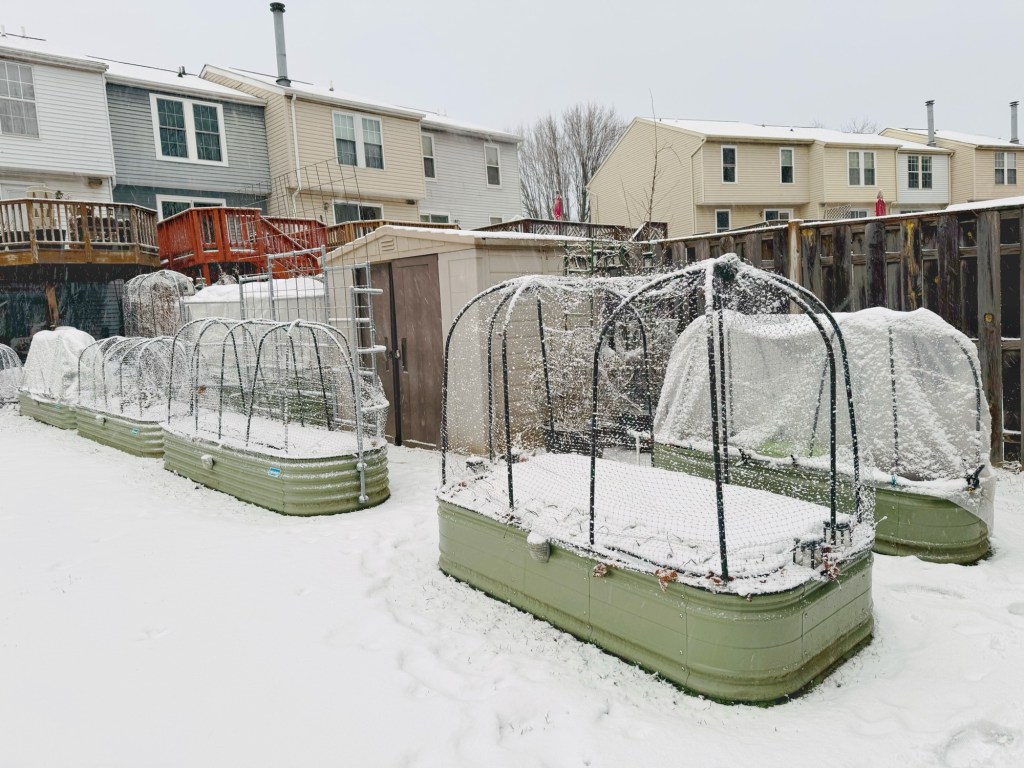
Most people think that gardening is over once the summer ends. Let me tell you that it doesn’t have to. By taking advantage of the plants that thrives in the cold and by providing some extra protection, you can absolutely grow in the winter.

What are the plants that grow best in the cold?
There is a good list of vegetables that you could grow in the winter. The only caveat is that you have to start growing them in the fall. You’ll have a more prolific harvest if you allow the plants to get established first before getting exposed to the harsh elements in the winter.

A list of few plants you could grow in the winter are as follows:
- broccoli
- bok choy
- beets
- carrots
- cabbage
- cauliflower
- cilantro
- collard
- kale
- kholrabi
- spinach
- swiss chard
If the fall has passed, it may be best to wait until next fall to start planting your fall/winter garden. However, if you have a grow light setup, you could start seeds indoors and transplant it to a protected growing area. You could also keep it growing indoors if you have enough space for them.
Why should I protect my plants?
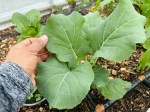
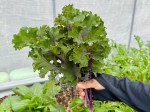
There are quite a few plants that could unbelievably survive the cold of winter! Kale is one of those vegetables that could survive the cold.
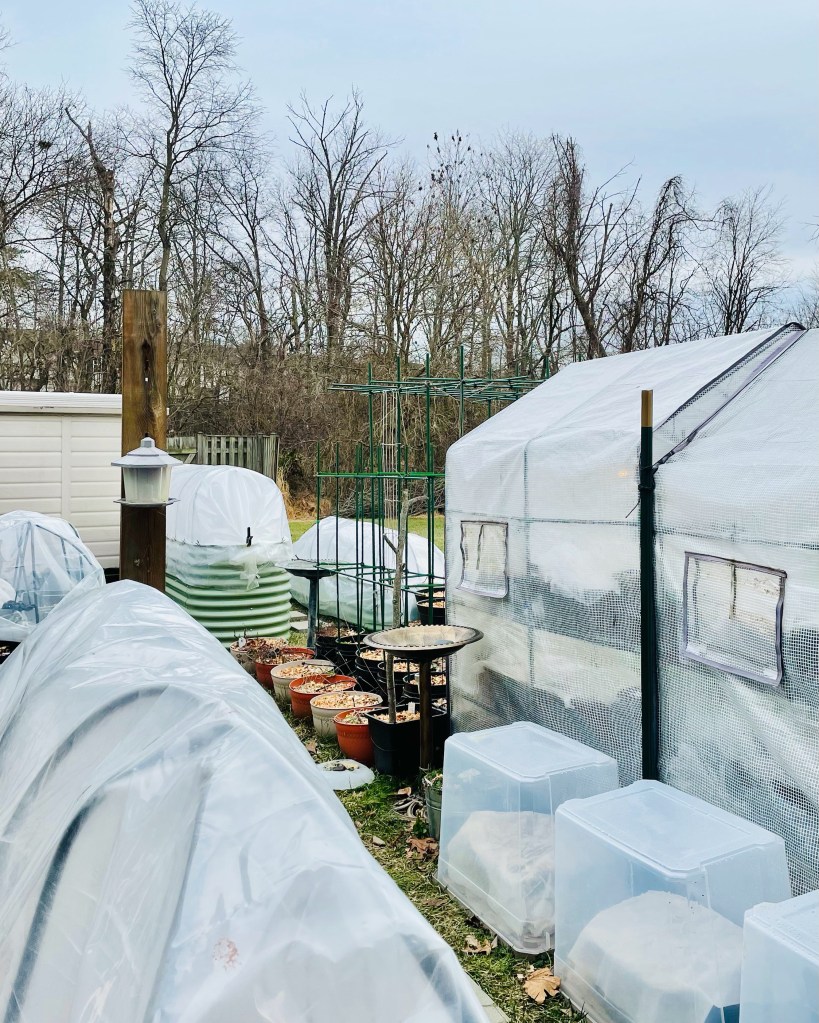
In my opinion, though, if I am going to grow something in the winter, I would love for the plants to thrive and not just survive. I would like to have a better food production and you could do that by providing the plants a more ideal condition. Cold tolerant and freeze tolerant are two different things. Some plants may like the cold but would not survive the freezing temperatures.
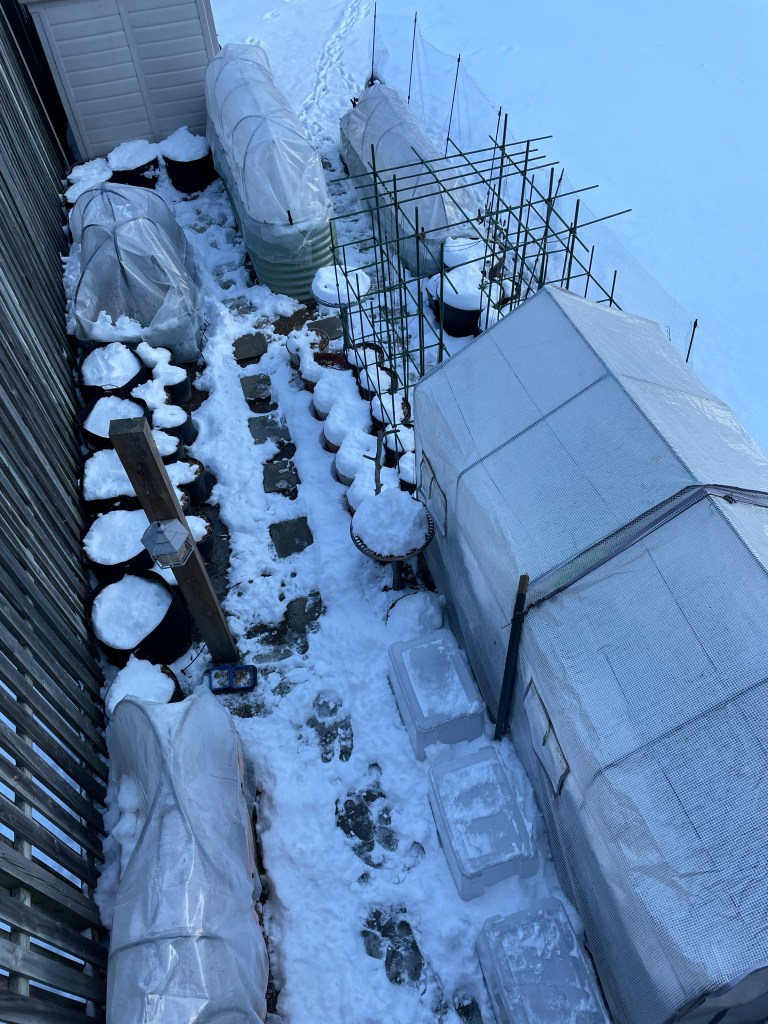
Here in Maryland, we get a lot of freezing wind chills, snow and a lot of rain. It’s a tough condition for some plants to thrive without any help.
How do I protect my plants?
There are quite a few that I am currently using in my garden to protect my plants in the winter. I’m only sharing with you those that I have used and tried myself.
1. Greenhouse
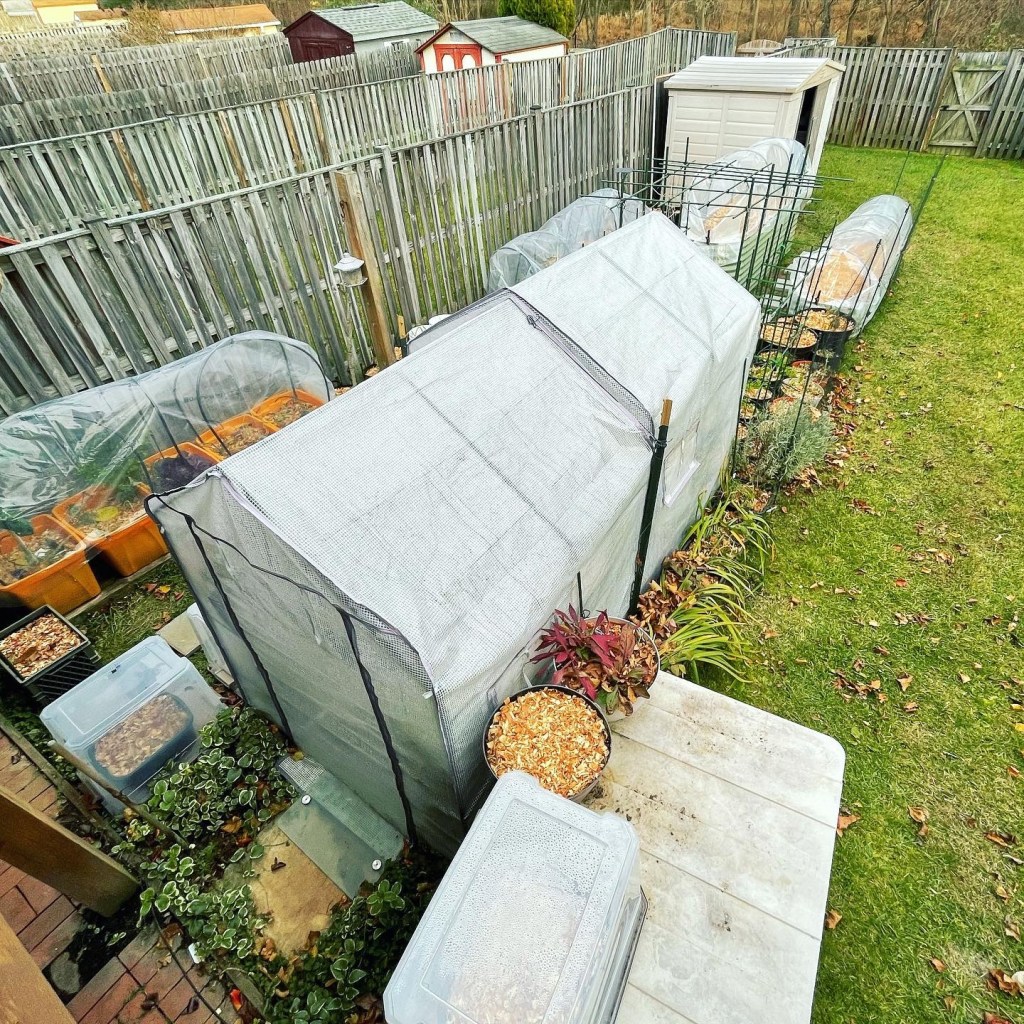
There are quite a few choices when it comes to greenhouse. You could build your own by repurposing glass windows and doors if you have the skills to do so. You could get a walk-in greenhouse with aluminum frame if you want something that’s easier to assemble.
A cheaper option is the one I’m currently using in my garden. It is the polyethylene greenhouse that you could get from Amazon.
2. Low Tunnel

The idea of creating low tunnel is creating a space for the plants to grow and be protected from the harsh winter elements. By adding a hoop, it creates a dome that serves as a frame and foundation for the cover.
The cover could be a 6 mil plastic sheeting and/or a frost blanket cover. I combine both in my Vego Garden Raised bed.
3. Frost cover
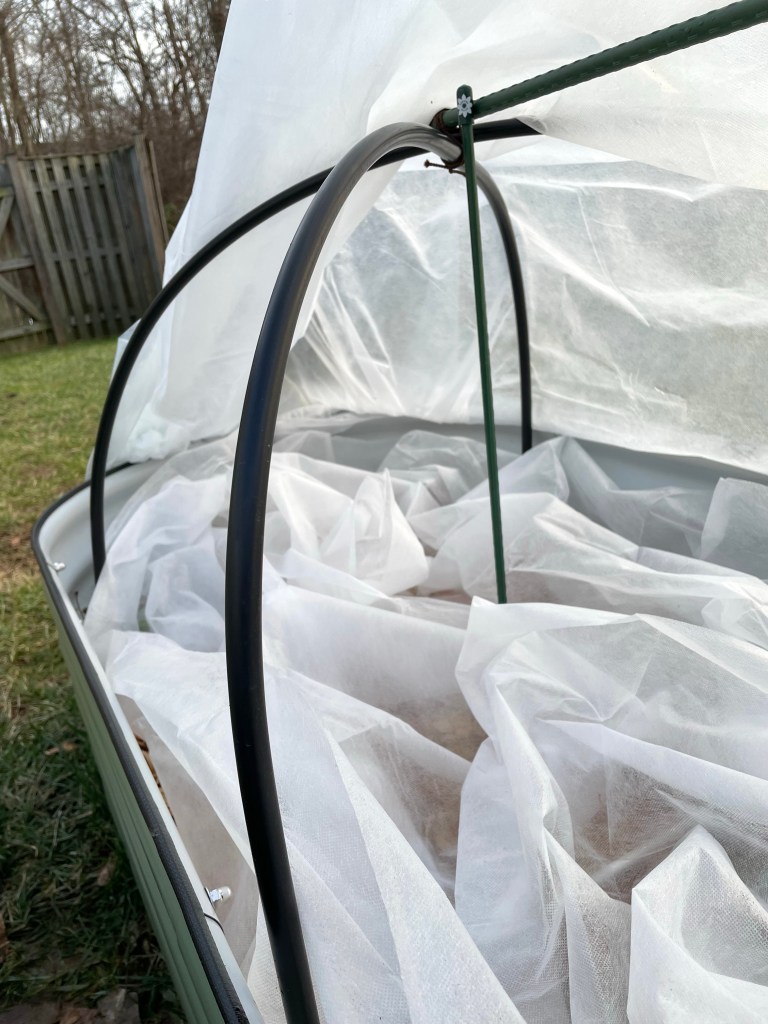
These are usually bag with draw strings that you could tie the plant (shrubs) with to add a layer of protection. You could also sow your own using frost blanket fabric. I’ve made a few to cover my plants during the coldest months of the year, which is January and February.
4. Clear Tote – Miniature greenhouse
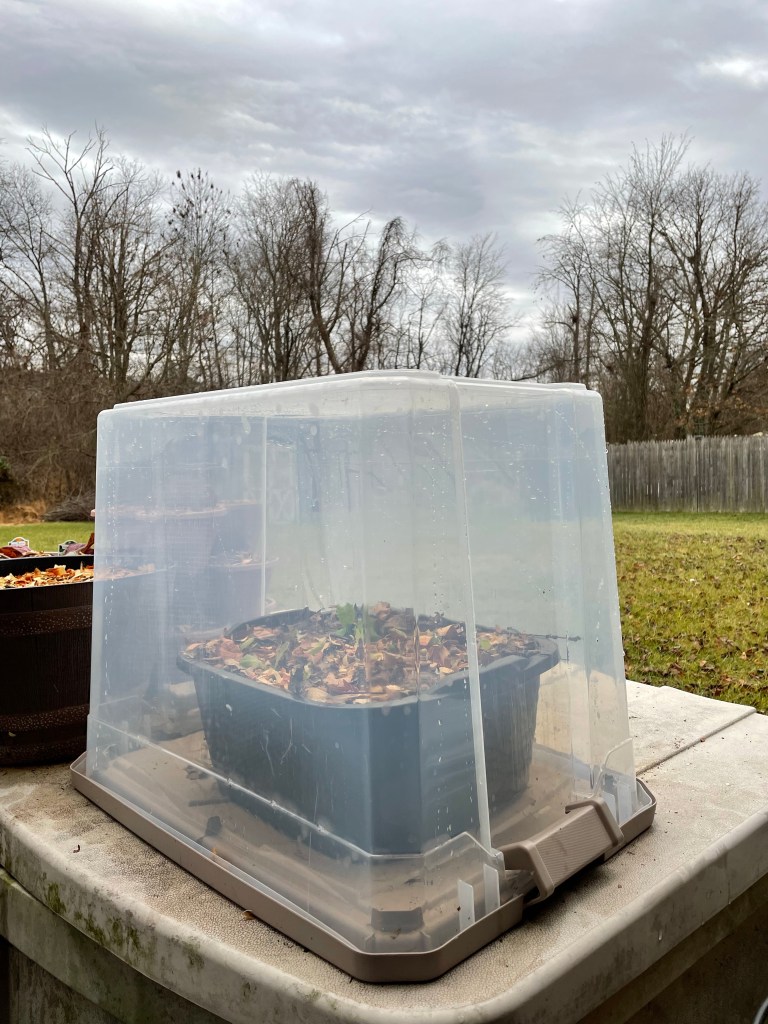
This is may have been one of the easiest one to use if you have one at home already. You could use a clear plastic tote to cover the plants in your raised bed or you could put your pots in at night. You just have to remember to take the cover off when the days are in the upper 50 degrees Fahrenheit.
5. White/clear plastic trash bags
If you have some white trash bags or could get a hold of the clear ones, this could also be used as protection from the harsh elements of the winter. I usually wrap the bag around the planter and use some clips to secure it. Just like with the tote, if you didn’t add holes for vents, you’ll have to open the bag when the high day temperature is 50 degrees Fahrenheit and above. You could also add another layer of protection by adding frost cloth in as you cover the plant.
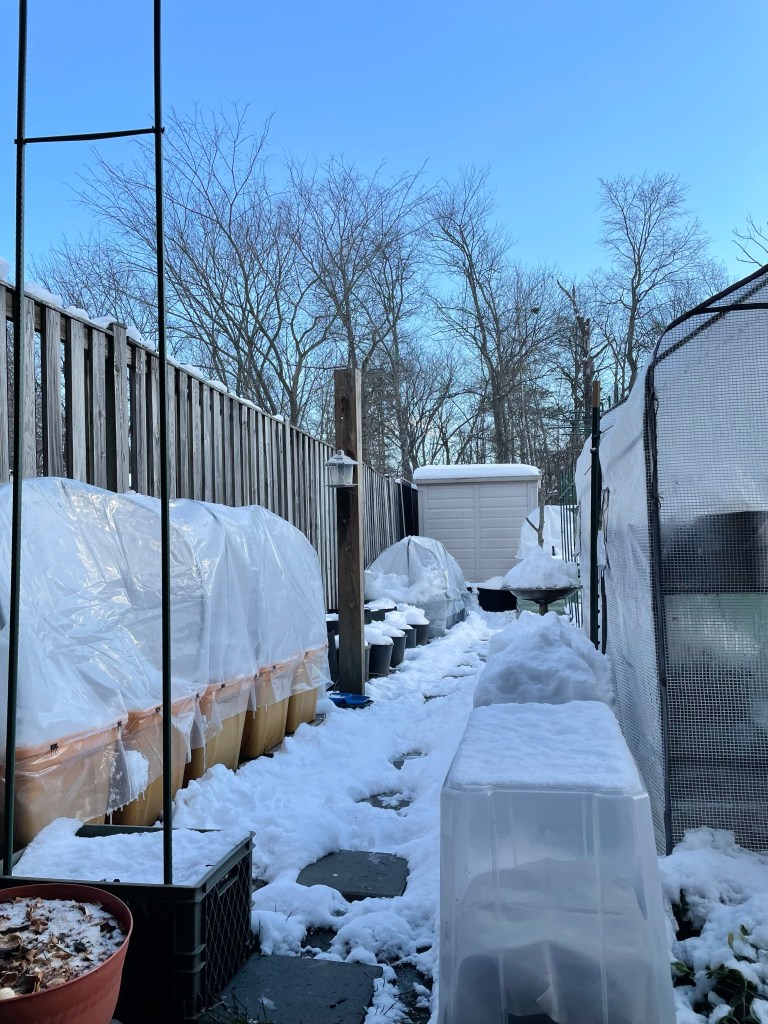
Winter gardening is fun but it comes with challenges as well. If you don’t like the cold this may not be for you. Maybe you just want to take this time to rest and not worry about anything in the garden. By all means, do what you desire. There is nothing wrong with that.

If you’re curious about winter gardening and you want to try it, I suggest starting with a few small setup. Learn from the experience and hopefully enjoy the benefit of growing in the winter. I personally love it for the following reasons:
1. The vegetables grown in the garden taste so good! The kale and collard greens have an amazing taste in the winter.
2. It keeps me moving during the coldest month of the year, which means I’m getting some form of exercise.
3. It keeps the garden alive. I love seeing colors during the gloomy and short lived daylights in the winter.
4. There are less pests if you’re growing the the winter.
This page contains Affiliate links. It will give me a little bit of commission when you purchase using my links at no extra cost to you. Your support will help me create more contents that helps home gardeners like you.













 Gingerfoot Garden
Leave a comment